How Much Does New Siding Cost in 2026? Vinyl, Fiber Cement, and Wood Compared
New siding cost is an important consideration for homeowners, and this guide covers it in detail. If you’re staring at cracked, faded, or warped siding, you’re probably wondering one thing: what will replacing it actually cost in 2026? The honest answer is that siding prices span a wide range, driven by the material you choose, the size and complexity of your home, and where you live. This guide breaks down real-world 2026 pricing for the three most popular options — vinyl, fiber cement, and wood — so you can budget with confidence and avoid nasty surprises.
Table of Contents
What Determines Siding Cost in 2026?
Before comparing materials, it helps to understand the levers that move your total price. Two homes of the same square footage can differ by thousands of dollars depending on these factors:
- Material grade: Entry-level vinyl versus premium insulated vinyl can double the material cost alone.
- Home size and stories: Siding is priced per square foot of wall area, and multi-story homes require scaffolding and more labor.
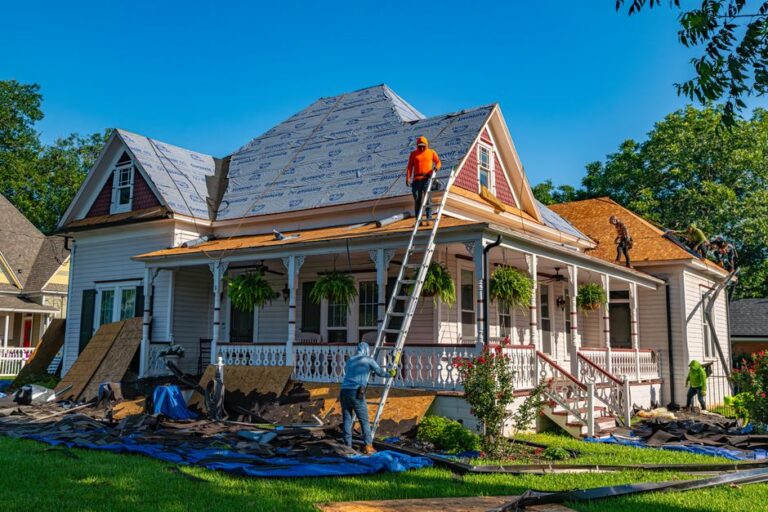
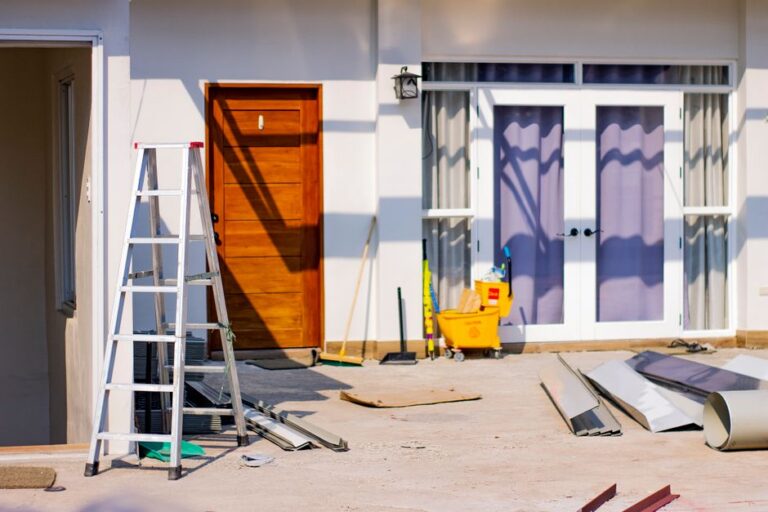
- Removal and disposal: Tearing off old siding typically adds $1,000 to $3,000.
- Trim, corners, and details: Homes with lots of windows, dormers, and architectural detail cost more to wrap.
- Region and labor rates: Urban coastal markets run 20–40% higher than rural areas.
As a rough anchor, most homeowners in 2026 spend between $8,000 and $30,000 for a full siding replacement on an average 2,000-square-foot house.
Vinyl Siding Cost: The Budget-Friendly Standard
Vinyl remains the most popular siding choice in North America, and for good reason — it’s affordable, low-maintenance, and available in hundreds of colors and profiles. In 2026, expect to pay $4 to $9 per square foot installed, or roughly $8,000 to $18,000 for a typical home.
Standard vinyl sits at the lower end, while insulated vinyl (which adds a foam backing for energy efficiency and rigidity) runs toward the top. Vinyl never needs painting, resists moisture, and cleans up with a garden hose. The trade-offs: it can crack in extreme cold, fade over decades, and some buyers view it as less premium than fiber cement or wood.
Best for
Budget-conscious homeowners who want a fast, durable install and don’t want ongoing maintenance.
Fiber Cement Siding Cost: Durability Meets Curb Appeal
Fiber cement — often known by the brand name James Hardie — has surged in popularity because it mimics the look of real wood while resisting rot, fire, and insects. In 2026, budget $6 to $14 per square foot installed, or about $13,000 to $28,000 for an average home.
The material itself is heavy and requires specialized cutting and fastening, which drives labor costs above vinyl. But the payoff is significant: fiber cement carries warranties of 30 to 50 years, holds paint beautifully for 10–15 years between refreshes, and delivers one of the best returns on investment of any exterior upgrade.
Best for
Homeowners planning to stay long-term or maximize resale value, especially in wildfire-prone or high-humidity regions.
Wood Siding Cost: Timeless but High-Maintenance
Nothing quite matches the warmth and character of genuine wood siding — cedar, redwood, or engineered wood products. That beauty comes at a price. In 2026, natural wood siding costs $7 to $16 per square foot installed, or $14,000 to $32,000 for a typical home, with premium species and custom profiles pushing higher.
Wood’s biggest hidden cost is upkeep. It must be sealed, stained, or painted every 3 to 7 years to prevent rot, warping, and insect damage. Skip the maintenance and you’ll be replacing boards far sooner than expected. Engineered wood (like LP SmartSide) offers a lower-cost, more stable alternative with better durability than solid planks.
Best for
Owners of historic or high-end homes who prioritize authentic aesthetics and are willing to commit to ongoing care.
Side-by-Side Cost Comparison
Here’s how the three materials stack up for a 2,000-square-foot home in 2026:
- Vinyl: $8,000–$18,000 · Lifespan 20–40 years · Low maintenance
- Fiber cement: $13,000–$28,000 · Lifespan 30–50 years · Moderate maintenance
- Wood: $14,000–$32,000 · Lifespan 20–40 years (with care) · High maintenance
Remember that the cheapest option upfront isn’t always the cheapest over the life of the home. Fiber cement’s longevity and low upkeep often make it the best value across a 20-year window.
Hidden Costs Homeowners Forget
Beyond the sticker price, watch for these budget-busters:
- Sheathing repair: If installers find rotted plywood behind old siding, repairs can add $1,000–$5,000.
- House wrap and flashing: Proper moisture barriers are essential and sometimes quoted separately.
- Permits: Many municipalities require them, adding $150–$500.
- Paint (fiber cement/wood): Factory-finished products cost more but save on-site labor.
How to Save on Your Siding Project
Smart planning can trim thousands off your bill without cutting corners:
- Get at least three detailed, itemized quotes and compare line by line.
- Schedule work in the off-season (late fall or winter) when contractors are hungrier for jobs.
- Bundle siding with a roof or window project to negotiate a package discount.
- Choose a mid-grade material rather than the premium tier — the durability gap is often small.
- Ask about manufacturer rebates and energy-efficiency incentives on insulated products.
The Bottom Line
New siding is one of the highest-return home improvements you can make, protecting your structure while dramatically boosting curb appeal. In 2026, vinyl offers the best value for tight budgets, fiber cement delivers the strongest blend of durability and resale value, and wood rewards those willing to maintain it with unmatched character. Whatever you choose, get multiple quotes, verify what’s included, and factor in the total cost of ownership — not just the day-one price. Do that, and you’ll invest wisely in a facade that lasts for decades.