Exterior Painting Cost: How Much to Paint Your House in 2026
Exterior painting cost is an important consideration for homeowners, and this guide covers it in detail. Repainting the outside of your home is one of the highest-impact upgrades you can make, refreshing its appearance, protecting siding from the elements, and boosting resale value. But before you call a contractor or head to the hardware store, the first question is always the same: how much will it actually cost? In 2026, exterior painting prices have shifted thanks to labor demand, premium paint formulations, and regional cost differences. This guide breaks down realistic pricing, the factors that move the needle, and how to get the best value for your money.
Table of Contents
Average Exterior Painting Cost in 2026
For a typical single-family home in the United States, expect to pay between $3,000 and $8,000 to have the exterior professionally painted in 2026. The national average lands around $4,500 for a 2,000-square-foot two-story house. In the UK, homeowners typically spend £2,500 to £6,000 for a comparable property.
Pricing is most commonly quoted per square foot of surface area, ranging from $2.50 to $5.00 per square foot including labor and materials. Larger homes benefit from economies of scale, so the per-square-foot rate often drops slightly as the total area grows.
What Drives the Price Up or Down
Several variables determine where your quote falls within that range:
- Home size and stories: Taller homes require scaffolding or extended ladders, adding labor and safety costs.
- Surface condition: Peeling, cracked, or previously neglected surfaces need extensive prep, which can add 20–40% to the bill.
- Siding material: Wood, stucco, brick, and vinyl each absorb and hold paint differently, affecting coverage and prep.
- Number of coats: Dramatic color changes or bare wood may require a primer plus two topcoats.
- Regional labor rates: Coastal and metropolitan areas run 15–30% higher than rural markets.
Cost by Siding Material
The material you’re painting has a direct effect on both prep and paint consumption:
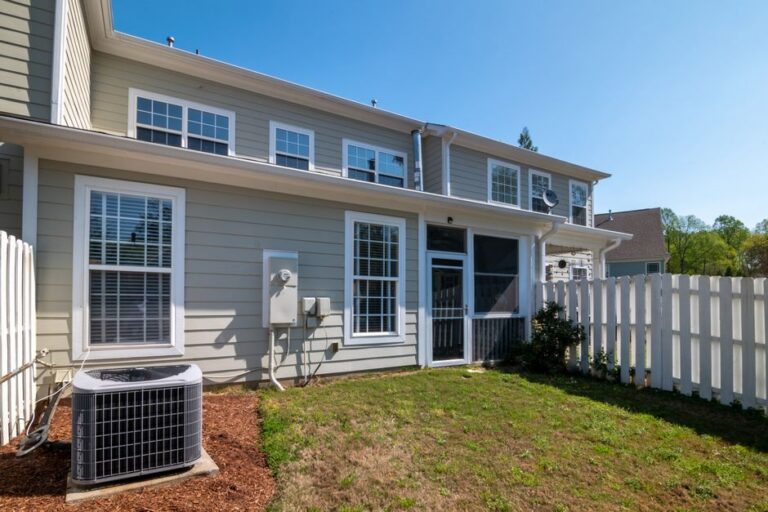
- Vinyl siding: $1.50–$3.50 per sq ft. Smooth and easy to coat, but requires vinyl-safe paint.
- Wood siding: $2.50–$5.00 per sq ft. Needs careful scraping, sanding, and priming.
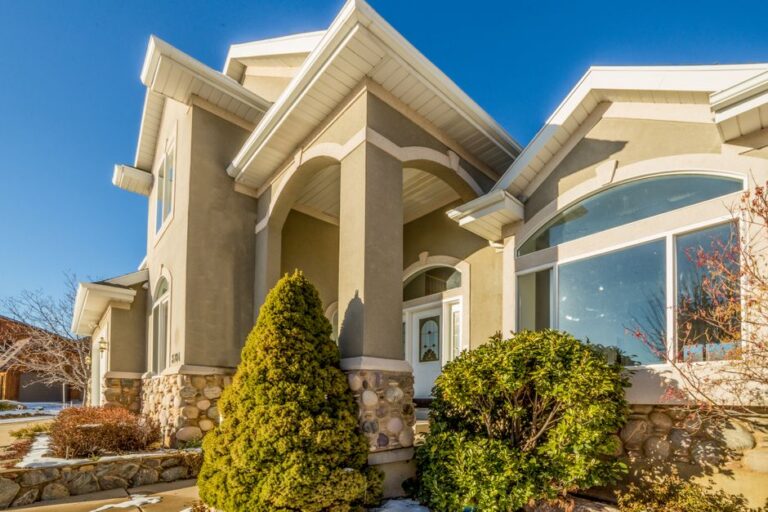
- Stucco: $2.00–$4.50 per sq ft. Porous texture consumes more paint per coat.
- Brick: $3.00–$6.00 per sq ft. Requires masonry primer and breathable paint; painting brick is a permanent commitment.
- Fiber cement: $2.00–$4.00 per sq ft. Holds paint exceptionally well.
Labor vs. Materials Breakdown
On a professional job, labor accounts for 70–85% of the total cost, while paint and supplies make up the remaining 15–30%. A gallon of quality exterior paint runs $45–$85 in 2026, and a typical house needs 6–15 gallons. Premium products from brands like Sherwin-Williams Duration or Benjamin Moore Aura can push $75–$100 per gallon but deliver 15–20 year durability, reducing the frequency of repainting.
When you receive a quote, ask for a line-item breakdown so you can see exactly what you’re paying for prep, primer, paint, and cleanup.
DIY vs. Hiring a Professional
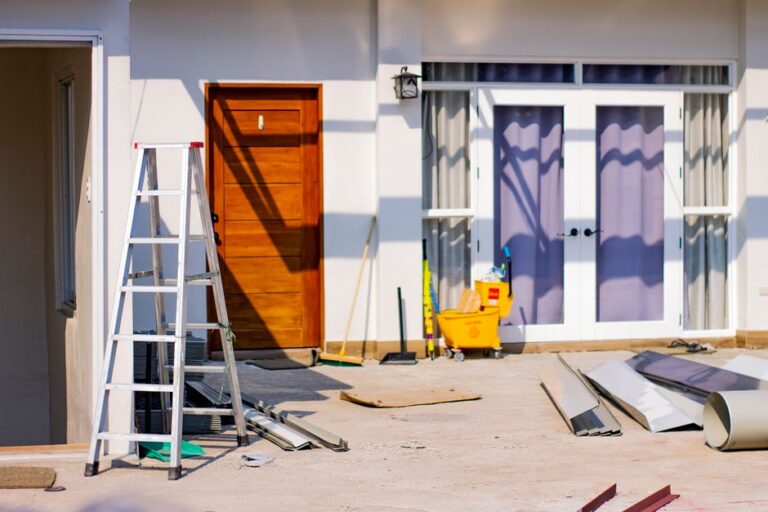
Painting your home yourself can cut costs to $500–$1,500 in materials alone. However, exterior work involves ladders, weather timing, extensive prep, and days of physical labor. For a two-story home, most homeowners find the safety risk and time investment outweigh the savings.
DIY makes the most sense for single-story ranch homes with sound siding. If your home has significant height, lead paint (pre-1978 homes), or major surface damage, professional crews will deliver a better, longer-lasting result and often finish in 3–5 days versus weeks of weekend work.
Hidden Costs to Budget For
Quotes sometimes omit extras that surface mid-project:
- Repairs: Rotted trim, cracked stucco, or damaged siding must be fixed before painting.
- Lead paint remediation: Homes built before 1978 may require certified handling, adding $500–$1,500.
- Power washing: Often $150–$400 to properly clean surfaces beforehand.
- Trim and accent colors: Multiple colors increase labor time.
- Premium finishes: Specialty coatings or elastomeric paint for stucco cost more.
How to Save Money Without Cutting Corners
You can reduce costs while still getting quality results:
- Get at least three written quotes and compare scope, not just price.
- Schedule work in the off-season (late fall or early spring) when contractors offer discounts.
- Handle simple prep yourself, like clearing landscaping and moving furniture.
- Choose a color close to your existing shade to avoid extra primer coats.
- Invest in premium paint to extend the repaint interval and lower lifetime cost.
How Often Should You Repaint?
A quality exterior paint job lasts 7 to 15 years depending on climate, material, and paint grade. Wood siding in harsh climates may need refreshing every 5–7 years, while fiber cement and well-maintained vinyl can go 10–15 years. Spending more upfront on premium paint typically means fewer repaints over the life of your home, making it the smarter long-term investment.
Getting an Accurate Quote
Exterior jobs typically run higher per square foot than interior work because they demand weather-resistant paint, more intensive prep, and often ladder or scaffolding work, so an accurate quote matters even more. To compare contractors fairly and avoid surprises, insist on a detailed written estimate rather than a ballpark figure over the phone. A trustworthy quote should specify:
- Total surface area to be painted and number of coats.
- Specific paint brand, product line, and finish.
- Scope of surface prep, including scraping, sanding, caulking, and priming.
- Which trim, doors, shutters, and accents are included.
- Cleanup, disposal, and warranty terms.
Beware of quotes that come in dramatically lower than others—they often cut prep or use cheaper paint, leaving you repainting far sooner. The lowest bid rarely delivers the lowest lifetime cost.
Conclusion
In 2026, budgeting $3,000–$8,000 for a professional exterior paint job is realistic for most homes, with the final figure driven by size, siding material, surface condition, and your region. Whether you DIY a modest ranch or hire pros for a multi-story home, the keys to value are thorough prep, quality paint, and multiple detailed quotes. A fresh, well-applied exterior coat not only transforms your home’s look but protects your biggest investment for years to come.