How to Design a Backyard Entertainment Area on Any Budget
Design backyard entertainment area is an important consideration for homeowners, and this guide covers it in detail. A great backyard entertainment area turns an ordinary yard into the place everyone wants to gather. The good news: you don’t need a five-figure budget to create one. With smart planning, a clear sense of how you’ll actually use the space, and a willingness to phase the work, you can build an inviting outdoor hangout at almost any price point.
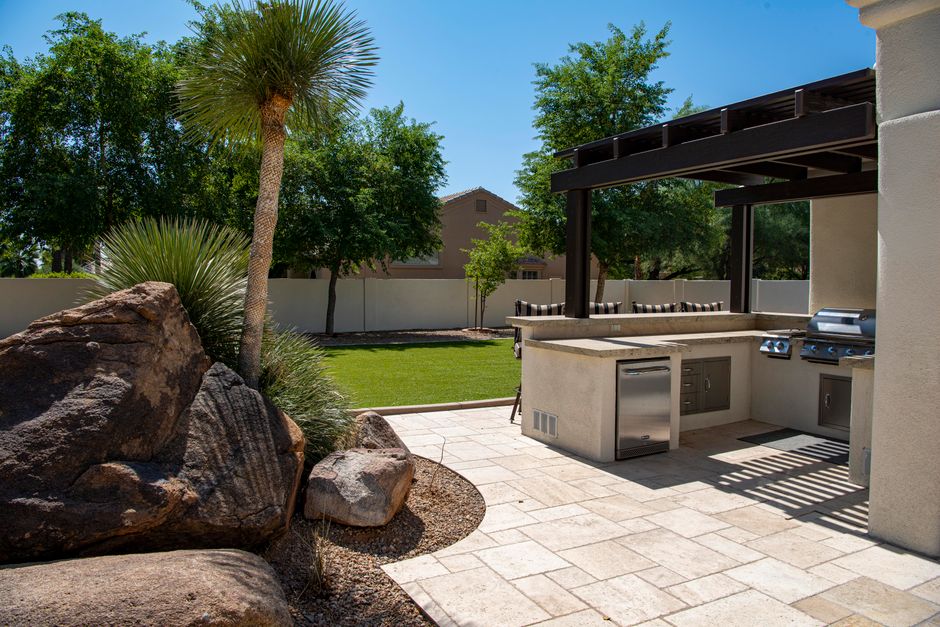
This guide shows how to design a backyard entertainment area across three realistic budget tiers, what to prioritize, and where to spend versus save so every dollar counts. The principles scale up or down, so the same approach works whether you’re refreshing a small deck or building out a large yard.
Table of Contents
Start With How You’ll Use the Space
Before buying anything, define the primary function. Are you hosting dinner parties, watching movies under the stars, gathering around a fire, or creating a play-friendly family zone? The answer drives every decision that follows. A dining-focused space needs a flat surface, good lighting, and proximity to the kitchen. A lounge-and-fire space prioritizes comfortable seating and ambiance.
Sketch a rough zone plan: cooking, dining, lounging, and circulation paths. Even a napkin diagram prevents costly mistakes like a grill placed too far from the house or seating that blocks foot traffic.
Budget Tier 1: Under $500
A tight budget rewards creativity and DIY effort. You can create a genuinely welcoming space by focusing on atmosphere over infrastructure.
- Define the zone: An outdoor rug ($40-$120) instantly anchors a seating area on an existing patio or deck.
- Seating: Repurpose or refresh existing furniture, add budget folding chairs, or build simple benches from lumber ($100-$200).
- Lighting: Solar string lights and lanterns ($30-$80) deliver the single biggest ambiance boost per dollar.
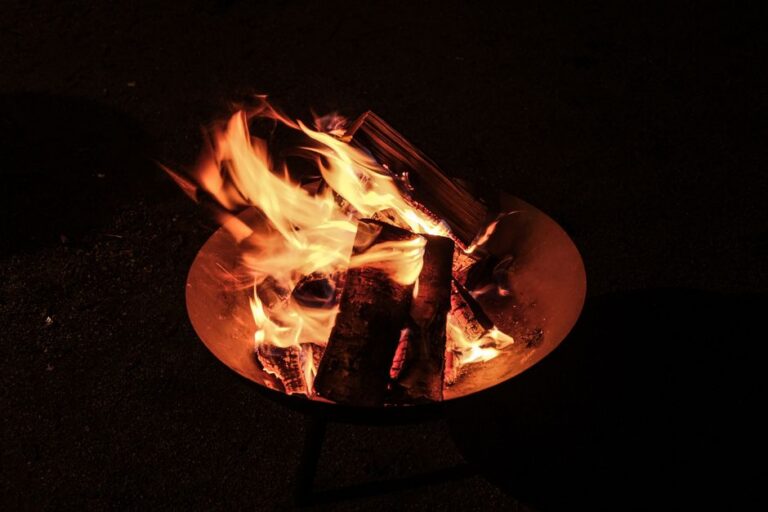
- Fire and warmth: A portable propane or tabletop fire pit ($60-$150) creates a natural gathering point.
Spend your money on lighting and a focal point; save by using what you already own.
Budget Tier 2: $500-$3,000
This mid-range budget lets you build a defined, comfortable space with better furniture and a real gathering feature.
- Ground surface: A gravel patio (DIY, $1-$3 per sq ft) or paver area creates a dedicated foundation without pouring concrete.
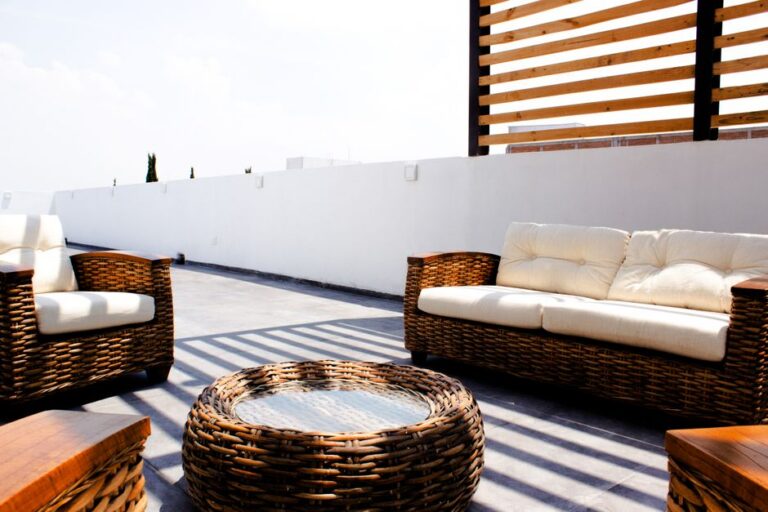
- Quality seating: A proper outdoor sofa set or sectional ($800-$1,800) transforms comfort and longevity.
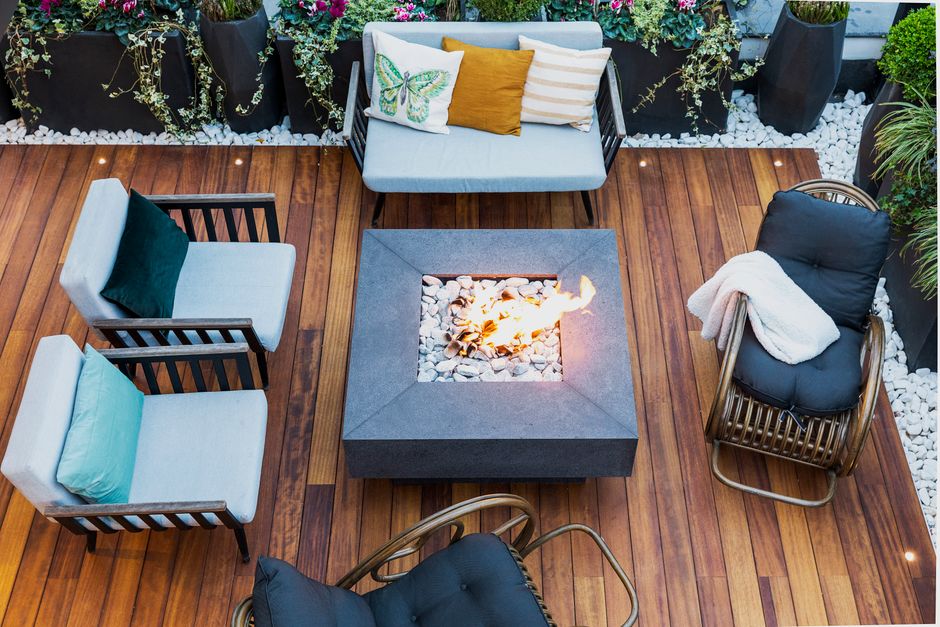
- Fire feature: A permanent fire pit kit or quality gas fire table ($300-$1,200) becomes the centerpiece.
- Shade: A cantilever umbrella ($150-$500) or shade sail extends usable hours.
- Cooking: A solid mid-range grill ($300-$700) supports real entertaining.
At this tier, invest in seating comfort and a fire feature – the two elements guests remember most – and add a small side table or two so people have somewhere to set drinks and plates.
Budget Tier 3: $3,000-$10,000+
With a larger budget you can build permanent infrastructure that adds value and function.
- Hardscaping: A professionally installed paver or stone patio ($3,000-$8,000) provides a durable, attractive base.
- Outdoor kitchen: A basic built-in grill island starts around $2,000-$5,000; full kitchens climb higher.
- Overhead structure: A pergola or pavilion ($4,000-$12,000) defines the space and adds shade.
- Integrated lighting and audio: Hardwired low-voltage lighting and weatherproof speakers ($800-$2,500) elevate the experience.
Here, spend on permanent hardscape and structure – they last decades and boost resale value.
The Five Elements Every Entertainment Area Needs
1. A Defined Space
Boundaries make a space feel intentional. Use a rug, a surface change, planters, or a low wall to signal “this is the gathering zone.”
2. Comfortable Seating
Provide enough seating for your typical group, and mix types – a sofa for lounging, chairs for conversation, stools for overflow.
3. A Focal Point
Fire pits, water features, or a statement view give people something to orient around and gather near.
4. Ambient Lighting
Layered, warm lighting extends the evening and sets the mood. String lights, lanterns, and path lights beat a single harsh floodlight.
5. Weather Adaptability
Shade for hot days and warmth for cool nights dramatically expand how often you actually use the space.
Smart Ways to Stretch Any Budget
- Phase the project: Build the foundation first, then add furniture, lighting, and features over seasons.
- Shop off-season: Outdoor furniture and grills drop 30-50% in late summer and fall.
- DIY the simple parts: Gravel bases, string lights, planters, and painting are beginner-friendly.
- Buy secondhand: Quality outdoor furniture and fire tables appear regularly on resale marketplaces.
- Use plants strategically: Potted greenery and fast-growing screening add privacy and beauty for little money.
Where to Spend vs. Where to Save
Spend on: seating comfort, a permanent surface if you can afford it, and quality lighting. These directly shape how good the space feels and how long it lasts.
Save on: decorative accessories, planters (buy small plants and let them grow), and trendy items that date quickly. You can always upgrade accents later.
Common Mistakes to Avoid
- Building too big – an oversized, sparse space feels empty and costs more to furnish.
- Ignoring circulation – leave clear paths so guests aren’t climbing over furniture.
- Forgetting the walk from the kitchen – long trips with food and drinks kill hosting flow.
- Under-lighting – the most common reason a space goes unused after dark.
The Bottom Line
A welcoming backyard entertainment area is about thoughtful design, not raw spending. Start by defining how you’ll use the space, then invest first in the elements that matter most: comfortable seating, a focal point, and warm lighting. Whether you have $300 or $10,000, phase your project, shop smart, and prioritize atmosphere over square footage. Done right, even a modest budget produces a backyard that draws people together season after season.