Home Insurance and Exterior Damage: What’s Covered and What’s Not
Home insurance exterior damage is an important consideration for homeowners, and this guide covers it in detail. Your home’s exterior is its first line of defense and its most exposed asset. Roofs, siding, windows, and fences take the brunt of storms, hail, wind, and falling trees. When damage strikes, most homeowners assume their insurance policy will simply cover it. The reality is more nuanced. Understanding exactly what your policy covers, what it excludes, and how claims are actually paid can save you thousands of dollars and enormous frustration. This guide explains how exterior damage coverage works in 2026 and how to protect yourself before disaster hits.
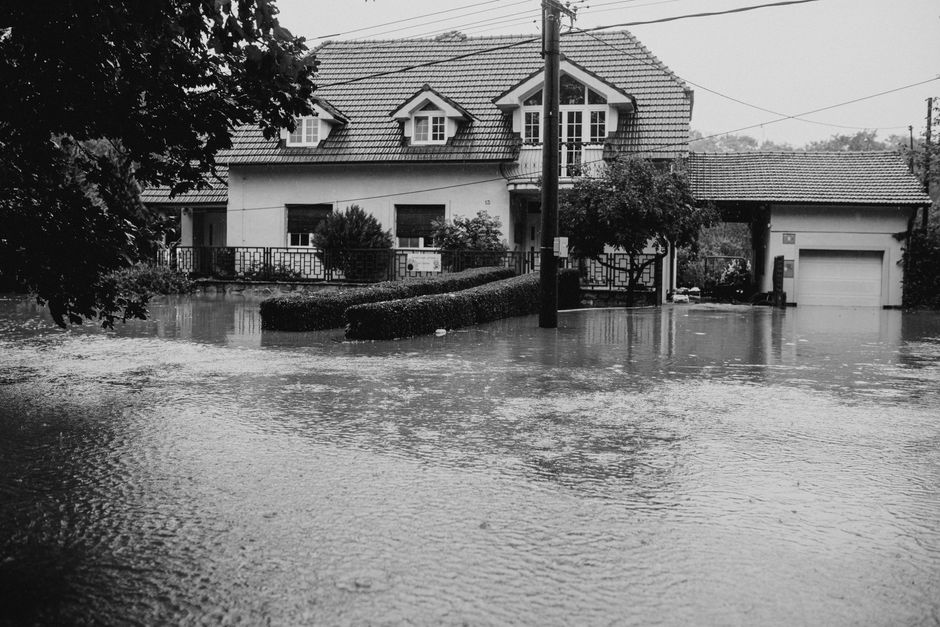
Table of Contents
How Homeowners Insurance Handles Exterior Damage
A standard homeowners policy (often called an HO-3 in the US) covers the physical structure of your home under Dwelling Coverage (Coverage A). This includes the roof, siding, attached structures, and permanently installed exterior features. Detached structures like fences, sheds, and detached garages fall under Other Structures (Coverage B), typically capped at 10 percent of your dwelling limit.
Coverage applies when damage results from a covered peril. Most policies are open-peril for the structure, meaning they cover everything except specifically excluded causes. Knowing those exclusions is the key to avoiding surprises.
Perils That Are Usually Covered
Most standard policies cover sudden, accidental exterior damage from these events:
- Wind and hail (a leading cause of roof and siding claims)
- Fire and smoke
- Lightning strikes
- Falling objects, including trees blown down by wind
- Weight of ice, snow, or sleet
- Vandalism and malicious mischief
- Damage from vehicles or aircraft
If a storm rips shingles off your roof or a windblown branch cracks your siding, these are typically covered events, subject to your deductible.
What Is Commonly Excluded
The most expensive misunderstandings come from exclusions. Standard policies generally do not cover:
- Flooding: Rising water requires separate flood insurance (through NFIP in the US or specialist insurers in the UK).
- Earthquakes and earth movement: Requires a separate endorsement or policy.
- Gradual wear and tear: An old roof that simply degrades is a maintenance issue, not a claim.
- Neglect and lack of maintenance: Rot, mold, or pest damage from deferred upkeep.
- Cosmetic hail dents on metal roofs, if a cosmetic exclusion applies.
Insurers frequently deny claims by arguing the damage was pre-existing or caused by age rather than a single covered event, which makes documentation critical.
Pest and rodent damage, mold arising from unaddressed leaks, and damage to detached fences from ordinary rot are also routinely excluded. The common thread is that insurance covers sudden, accidental events, not the slow consequences of aging or deferred upkeep. Knowing this distinction helps you set realistic expectations and directs your maintenance dollars toward the problems a policy will never pay for.
Roof Damage: The Biggest Battleground
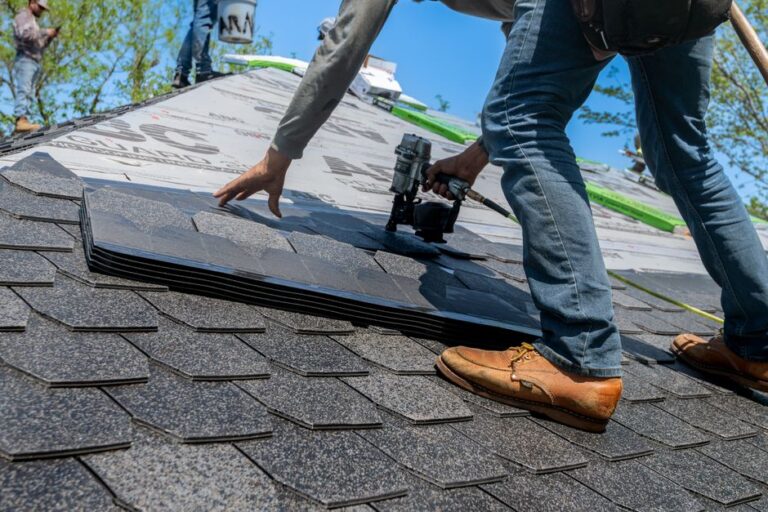
Roofs generate the most exterior claims and the most disputes. The central issue is age. Many insurers now use Actual Cash Value (ACV) settlements for roofs over 10 to 15 years old, meaning they pay the depreciated value rather than the cost of a new roof. A 20-year-old roof might be reimbursed at a fraction of replacement cost.
To get full replacement, look for a Replacement Cost Value (RCV) policy and confirm whether a roof-age schedule applies. Some insurers exclude older roofs entirely or charge a separate wind/hail deductible expressed as a percentage of the dwelling value.
Understanding Deductibles
Your deductible is what you pay before coverage kicks in. Many policies now carry a separate, higher percentage-based deductible for wind and hail, common in hurricane- and hail-prone regions. On a $400,000 home, a 2 percent wind/hail deductible means $8,000 out of pocket before the insurer pays anything.
Always know your deductible structure before filing. For minor exterior damage, the repair cost may fall below your deductible, making a claim pointless and potentially harmful to your renewal rate.
How to Document and File a Claim
Strong documentation is the difference between an approved and denied claim. Follow these steps after exterior damage:
- Photograph and video all damage immediately, from multiple angles.
- Keep pre-damage photos of your roof, siding, and fences to prove prior condition.
- Make temporary repairs to prevent further damage (tarps, boarding) and save receipts.
- Get a written estimate from a licensed contractor before the adjuster visits.
- File promptly; many policies require notice within a set window after the event.
Never dispose of damaged materials until the adjuster has inspected them, and be present during the inspection to point out every affected area.
Dealing With Adjusters and Disputes
The insurer’s adjuster works for the insurer. If their estimate seems low or a claim is denied, you have options. Request a detailed written explanation, provide your own contractor’s estimate, and if needed, hire a licensed public adjuster who works on your behalf for a percentage of the settlement.
Most policies also include an appraisal clause allowing an independent umpire to resolve valuation disputes. For denials you believe are wrongful, your state insurance department (or the UK’s Financial Ombudsman Service) can investigate.
How to Strengthen Your Coverage
Before the next storm, review and upgrade your policy:
- Choose Replacement Cost Value over Actual Cash Value for roof and structure.
- Add flood insurance if you are anywhere near a flood zone.
- Ask about impact-resistant roofing discounts, which can lower premiums 5 to 35 percent.
- Increase Other Structures coverage if you have fences, decks, or a detached garage.
- Document your home annually with dated photos.
Conclusion
Homeowners insurance is a powerful safety net, but only if you understand its limits before you need it. Covered perils like wind, hail, and fire are your friends; exclusions like flooding, gradual wear, and neglect are the traps that catch unprepared homeowners. Read your declarations page, know your deductibles, keep meticulous records, and upgrade weak spots in your coverage today. When exterior damage does strike, that preparation is what turns a stressful ordeal into a manageable repair.