20 Modern Garden Design Trends Homeowners Are Loving in 2026
Modern garden design trends is an important consideration for homeowners, and this guide covers it in detail. Gardens have quietly become one of the most exciting frontiers in home design. As we move through 2026, homeowners across the US, UK, Canada, and Australia are treating their outdoor spaces less like an afterthought and more like extra rooms to live, entertain, and unwind in. The trends shaping this year blend sustainability, technology, and a craving for calm, and the best part is that many of them work whether you have a sprawling backyard or a modest courtyard.
Here are 20 modern garden design trends homeowners are genuinely loving in 2026, with practical notes on how to bring each one to life.
Table of Contents
Climate-Resilient and Low-Water Planting
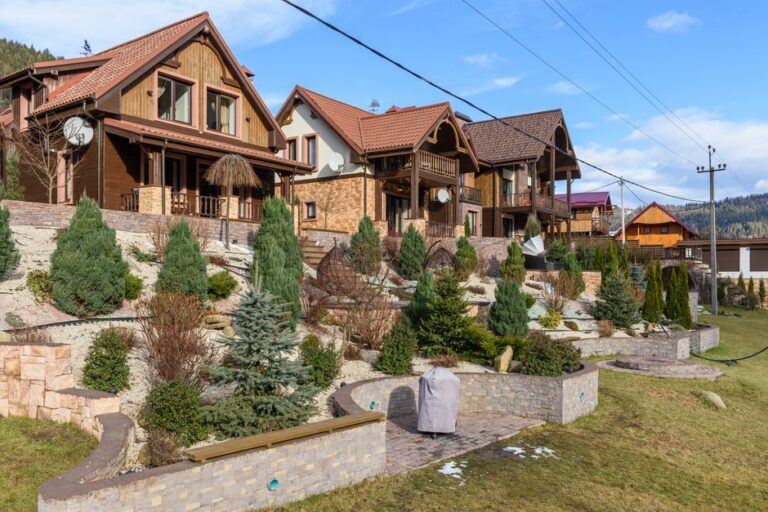
With weather patterns growing less predictable, drought-tolerant and flood-tolerant plants are in high demand. Homeowners are choosing native species and Mediterranean-style plantings that survive heatwaves without constant watering, cutting maintenance and water bills alike. Gravel gardens paired with tough architectural plants take this further, offering a stylish, low-maintenance look that thrives in dry regions and front gardens with almost no irrigation.
- Trend 1 – Climate-resilient planting: native, drought- and flood-tolerant species chosen for your specific region.
- Trend 2 – Rewilded borders: loose, meadow-like beds of ornamental grasses and self-seeding perennials that support pollinators.
- Trend 3 – Gravel and xeriscape gardens: minimal watering with maximum year-round structure.
Outdoor Living Rooms and Entertaining
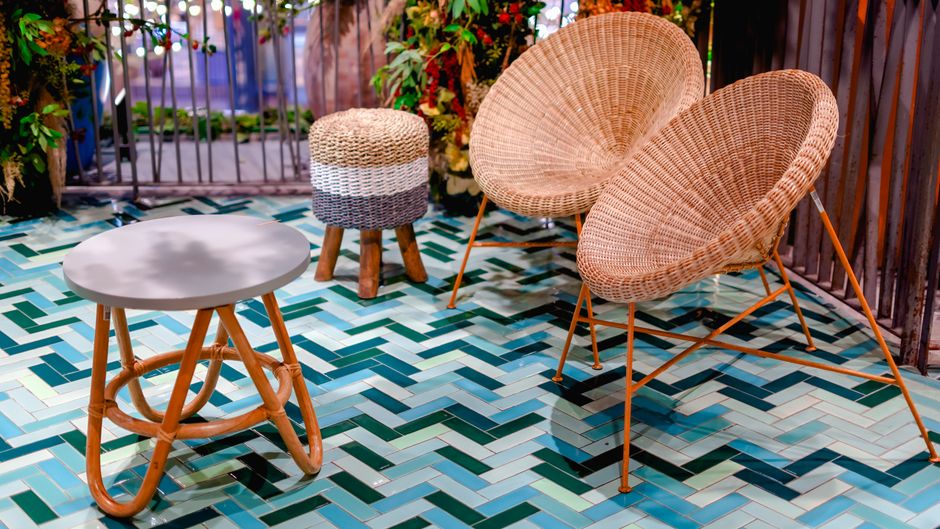
Comfortable modular sofas, weatherproof rugs, and built-in fire features are turning patios into true outdoor living rooms. The goal is a seamless flow from indoors to out, so the garden feels like a natural extension of the home. Alongside this, bold outdoor kitchens with built-in grills, pizza ovens, and weatherproof counters are transforming gardens into serious entertaining hubs. Pairing the kitchen with nearby dining seating and shade sails keeps guests comfortable and cuts down on trips back into the house.
- Trend 4 – Outdoor living rooms: weatherproof lounge furniture and fire pits for year-round use.
- Trend 5 – Outdoor kitchens: full or compact setups with grills, prep space, and dining.
- Trend 6 – Private sanctuaries: screened nooks with tall grasses and slatted panels for reading and relaxing.
Edible and Productive Gardens
Vegetables, herbs, and fruit trees are being woven into ornamental beds rather than hidden in a separate plot. Rainbow chard, blueberry bushes, and espaliered apples look beautiful and put fresh food within arm’s reach. This blurring of the ornamental and the productive reflects a wider appetite for self-sufficiency, and it works even in small spaces through raised beds, container crops, and vertical growing frames.
- Trend 7 – Edible landscaping: food crops integrated attractively into flower beds.
- Trend 8 – Multifunctional small spaces: fold-away furniture and storage benches that double as seating.
Smart Garden Technology
App-controlled irrigation, robotic mowers, and smart lighting are moving from luxury to mainstream. These systems save water, reduce chores, and let homeowners manage their gardens from a phone. Weather-linked sprinklers that skip watering before rain are a particular favorite, trimming both bills and waste while keeping plants perfectly hydrated.
- Trend 9 – Smart irrigation: weather-aware watering that reacts to forecasts and soil moisture.
- Trend 10 – Robotic mowers: quiet, autonomous lawn care that runs on a schedule.
Water Features and Wildlife-Friendly Design
Instead of formal fountains, 2026 favors gentle rills, reflecting pools, and pond-style features that attract wildlife. The soft sound of moving water adds instant tranquility to any space. Hand in hand with this comes a deliberate focus on biodiversity: bug hotels, bird-friendly planting, log piles, and pollinator patches are being built in on purpose. Supporting local wildlife has become a point of pride rather than an accident.
- Trend 11 – Naturalistic water features: wildlife ponds and rills over formal fountains.
- Trend 12 – Wildlife-friendly gardens: habitats and pollinator planting designed in from the start.
Materials, Color, and Texture
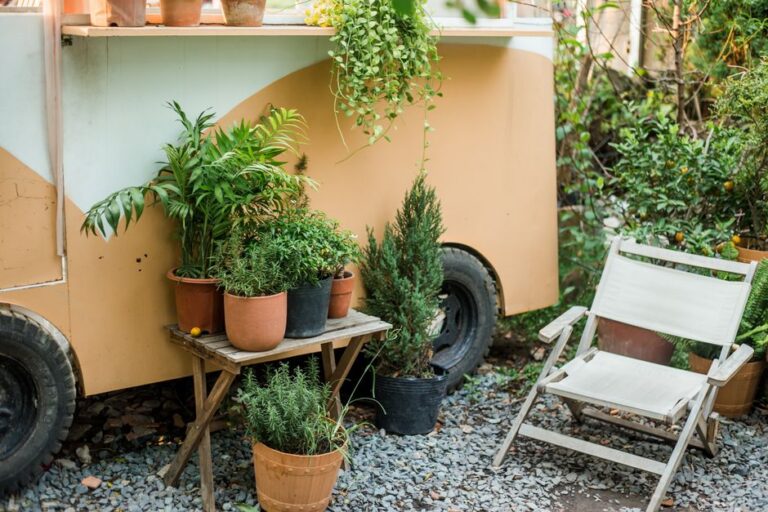
Warm, earthy palettes of terracotta, ochre, sage, and rust are dominating hard landscaping, furniture, and planters, feeling natural and pairing beautifully with greenery. Sustainability drives material choices too, with reclaimed timber, permeable paving, and recycled composite decking leading the way. Permeable surfaces are especially valued because they let rainwater soak into the ground rather than overwhelming drains, reducing flooding risk during heavy storms. Mixed, textured hardscaping adds the finishing touch.
- Trend 13 – Earthy color palettes: warm, grounded tones across surfaces and furniture.
- Trend 14 – Sustainable materials: reclaimed timber, recycled composite, and permeable paving.
- Trend 15 – Textured hardscaping: porcelain with gravel inlays, timber set into stone, and tactile surfaces underfoot.
Structure, Lighting, and Layout
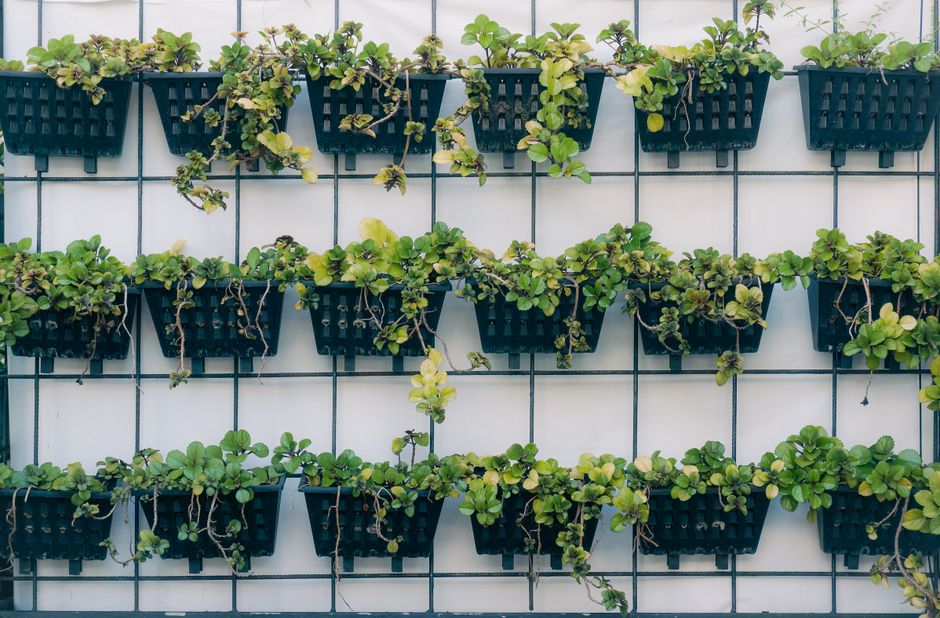
Sharp rectangular layouts are softening into curved paths, rounded beds, and flowing lawn shapes that feel more relaxed and guide the eye naturally through the space. Layered, immersive lighting extends usable hours into the evening with subtle path lights, uplit trees, and warm glows around seating. A single sculptural multi-stem tree or bold specimen plant acts as a living focal point, adding height and year-round interest. Green walls maximize planting where floor space is tight but wall space is plentiful.
- Trend 16 – Curved, organic lines: flowing paths and rounded beds replacing rigid geometry.
- Trend 17 – Layered lighting: multiple soft light sources for atmosphere and safety.
- Trend 18 – Statement trees: sculptural specimens used as focal points.
- Trend 19 – Vertical gardens and green walls: living walls for privacy and planting in small spaces.
Garden Studios and Low-Maintenance Design
Home offices, gyms, and creative studios in the garden continue to surge, with well-designed pods blurring the line between building and landscape. Above all, 2026 gardens are planned to be enjoyed rather than laboured over. Smart plant choices, automated systems, and durable materials mean more relaxing and less weekend toil. The mantra is designing in the maintenance savings from the start, so the garden looks intentional and stays manageable for decades.
- Trend 20 – Garden studios and low-maintenance design: insulated outbuildings and easy-care layouts built for real life.
Conclusion
The through-line across all 20 trends is a garden that works with nature, technology, and your lifestyle rather than against them. You don’t need to chase every idea; pick the two or three that resonate with how you actually use your space, and build from there. Whether you’re rewilding a border, installing a smart irrigation system, or carving out a private corner to breathe, 2026 is the year to make your garden a place you genuinely want to spend time in.