Native Plant Landscaping: A Beginner’s Guide to Eco-Friendly Yards
If you have ever felt overwhelmed by the endless watering, fertilizing, and mowing that a conventional lawn demands, native plant landscaping offers a refreshing alternative. By choosing plants that evolved in your region, you create a yard that practically takes care of itself while supporting the pollinators, birds, and beneficial insects that make an ecosystem thrive. This beginner’s guide walks you through everything you need to start an eco-friendly, low-maintenance landscape you will be proud of.
Table of Contents
What Are Native Plants?
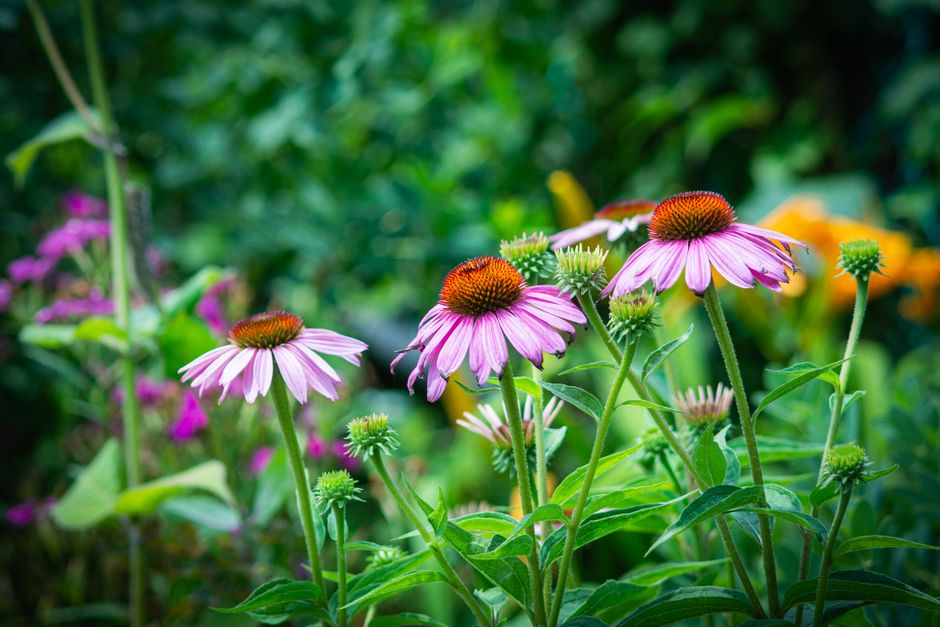
Native plants are species that occur naturally in a given region, having adapted over thousands of years to the local climate, soil, and wildlife. Unlike imported ornamentals, they need little intervention once established because they are already suited to the rainfall patterns and temperature swings of your area. A prairie coneflower in the American Midwest or a foxglove in a British woodland garden simply belongs there in a way that a thirsty tropical import never will.
Because these plants co-evolved with local insects and birds, they form the backbone of a healthy food web. A single native oak, for example, can support hundreds of caterpillar species that in turn feed nesting songbirds.
Why Choose Native Plant Landscaping?
The benefits reach well beyond curb appeal. Native landscapes reduce your environmental footprint while saving you time and money.
- Lower water use: Established natives often survive on rainfall alone, cutting irrigation bills dramatically.
- No chemical dependence: Well-matched plants resist local pests and diseases, reducing or eliminating pesticides and synthetic fertilizers.
- Wildlife support: Bees, butterflies, and birds flock to native blooms and seeds.
- Less maintenance: Say goodbye to weekly mowing and constant deadheading.
- Stormwater management: Deep native root systems absorb runoff and prevent erosion.
How to Identify Plants Native to Your Region
The single most important step is choosing species genuinely native to your specific area, not just your country. A plant native to coastal California may struggle in the desert Southwest. Start with these reliable resources:
- Your regional native plant society or botanical garden.
- University agricultural extension offices, which publish region-specific plant lists.
- Online databases that let you search by ZIP or postal code.
- Local independent nurseries that specialize in native stock.
Take note of your site’s conditions before shopping: sun exposure, soil type (clay, sand, or loam), and drainage. Matching a plant to the right microclimate is the difference between thriving and struggling.
Planning Your Native Garden Layout
Good design turns a collection of plants into a cohesive landscape. Think in layers, mimicking how nature stacks vegetation. Combine canopy trees, understory shrubs, perennials, and groundcovers to create habitat diversity and year-round interest. Cluster plants with similar moisture requirements so you never over- or under-water, and select species that flower at different times so pollinators have food from early spring through late fall.
Preparing and Planting
Preparation determines your success. Remove existing turf or invasive weeds by smothering with cardboard and mulch, or by careful digging. Avoid tilling large areas, which brings dormant weed seeds to the surface. Native plants generally prefer lean, unamended soil, so resist the urge to dump in bags of rich compost.
Plant in spring or fall when temperatures are mild and rainfall is more reliable. Water new plantings regularly for the first season while roots establish; after that, most natives can fend for themselves. A two-to-three-inch layer of mulch conserves moisture and suppresses weeds during the establishment phase.
Maintaining a Native Landscape
One of the great joys of native gardening is how little upkeep it requires once mature. Still, a few seasonal tasks keep things looking intentional rather than neglected:
- Cut back perennials in late winter, leaving stems standing over winter for insects and birds.
- Pull the occasional weed before it sets seed.
- Divide crowded clumps every few years to keep plants vigorous.
- Refresh mulch on pathways and borders annually.
Skip the fertilizer and rarely, if ever, reach for pesticides. A balanced native ecosystem manages most pest outbreaks on its own.
Common Beginner Mistakes to Avoid
Even eager gardeners stumble. Watch for these pitfalls:
- Buying “nativars” unknowingly: Some cultivars bred for showy flowers offer less value to pollinators than the true species.
- Over-improving soil: Rich amendments can make natives leggy and short-lived.
- Planting too densely or too sparsely: Follow spacing guidance so plants fill in naturally.
- Giving up too early: Many natives “sleep, creep, then leap,” looking modest for a year or two before flourishing.
Making the Transition Gradually
You do not have to rip out your entire lawn overnight. Many homeowners start with a single border, a rain garden, or a pollinator patch, then expand each season as confidence grows. This phased approach spreads out the cost and lets you learn what thrives on your property before committing to a full conversion.
Conclusion
Native plant landscaping rewards you with a beautiful, resilient yard that hums with life while sparing you the treadmill of watering, mowing, and spraying. By selecting region-appropriate species, designing in natural layers, and letting the ecosystem do the heavy lifting, you create a landscape that grows more self-sufficient every year. Start small, stay patient, and watch your patch of the planet come alive with birdsong and butterflies.