Metal Roofing vs Asphalt Shingles: Cost, Lifespan, and Value
Metal roofing asphalt shingles is an important consideration for homeowners, and this guide covers it in detail. Choosing a new roof is one of the most consequential exterior decisions a homeowner will make. It affects your home’s curb appeal, your energy bills, your insurance premiums, and the resale value of the entire property. In 2026, the two dominant choices for pitched residential roofs remain metal roofing and asphalt shingles. Each has passionate advocates, and each genuinely suits different budgets, climates, and long-term plans. This guide breaks down the real numbers on cost, lifespan, and value so you can decide with confidence rather than guesswork.
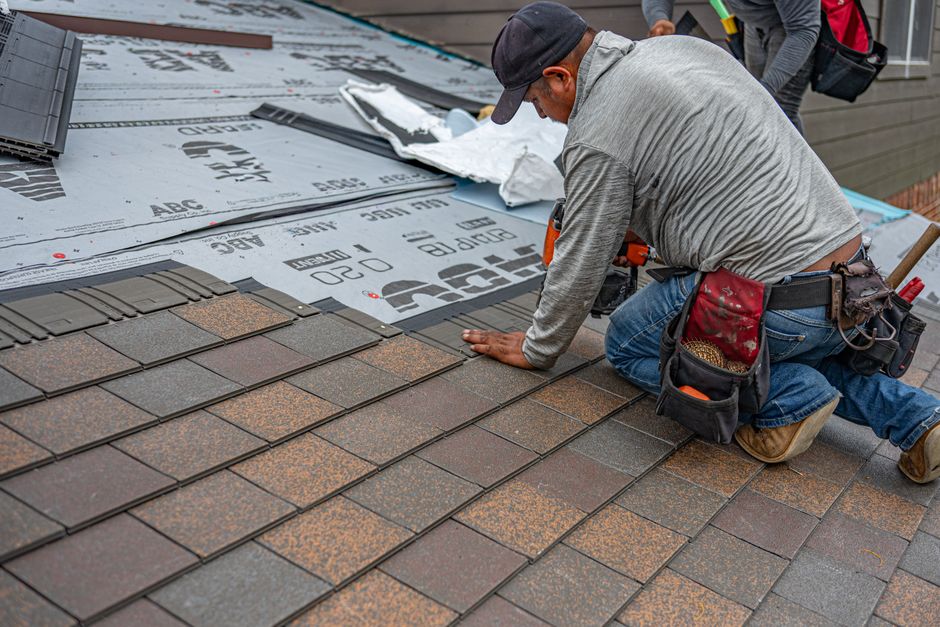
Table of Contents
The Case for Asphalt Shingles
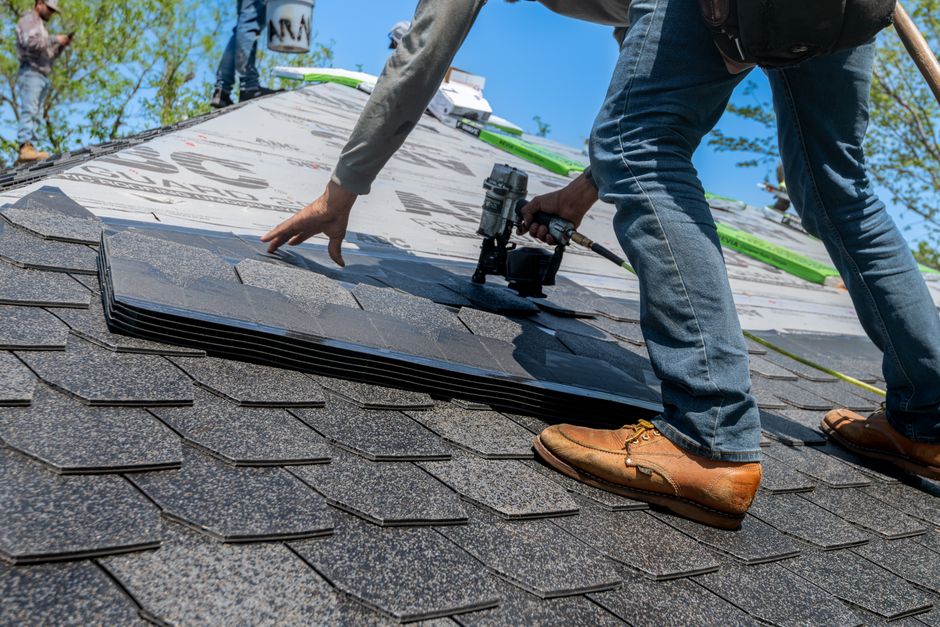
Asphalt shingles cover roughly four out of every five homes in the United States, and for good reason. They are inexpensive, widely available, and virtually every roofing contractor knows how to install them. Modern architectural (dimensional) shingles are far more attractive than the flat three-tab shingles of decades past, offering depth, shadow lines, and a range of colors that mimic slate or wood shake.
For homeowners who plan to move within ten to fifteen years, or who need a reliable roof at the lowest upfront cost, asphalt remains the practical default. It performs well in most climates and repairs are quick and cheap.
The Case for Metal Roofing
Metal roofing has shed its old reputation as an industrial or agricultural product. Today’s standing-seam and metal-shingle systems are engineered for residential aesthetics, with concealed fasteners, baked-on finishes, and profiles that suit everything from modern farmhouses to coastal cottages.
The appeal is longevity and performance. A quality metal roof can outlast two or even three asphalt roofs, reflects solar heat to lower cooling costs, sheds snow efficiently, and resists fire, insects, and rot. For homeowners planning to stay put for decades, the math often tilts in metal’s favor.
Upfront Cost Comparison
Cost is where the two materials diverge most sharply. Prices below reflect 2026 US averages for a typical 2,000-square-foot roof, installed:
- Three-tab asphalt shingles: $6,000 to $10,000 ($4.50 to $6.50 per sq ft installed)
- Architectural asphalt shingles: $9,000 to $16,000 ($6 to $9 per sq ft)
- Corrugated or ribbed metal panels: $12,000 to $20,000 ($8 to $12 per sq ft)
- Standing-seam metal: $20,000 to $38,000 ($12 to $18 per sq ft)
In short, expect to pay roughly two to three times as much upfront for metal. That premium buys materials that cost more to manufacture and installation that demands specialized skill and tooling.
Lifespan and Durability
This is where metal earns its premium. Asphalt shingles typically last 15 to 30 years depending on quality, climate, and ventilation. Harsh sun, hail, and rapid temperature swings shorten their life considerably.
Metal roofs commonly last 40 to 70 years, and premium standing-seam systems can exceed that. They handle wind uplift better, do not curl or lose granules, and rarely need mid-life repairs. Over a 50-year horizon, a homeowner might install asphalt three times versus metal once, which reshapes the cost conversation entirely.
Energy Efficiency and Climate Performance
Metal roofing reflects radiant heat rather than absorbing it, and cool-roof coatings can cut summer cooling costs by 10 to 25 percent in hot climates. In snowy regions, metal sheds snow load and helps prevent ice dams. Asphalt absorbs heat, which can accelerate attic temperatures and shingle degradation in southern states.
That said, proper attic ventilation and insulation matter more than roof material alone. A well-ventilated asphalt roof can perform respectably, while a poorly detailed metal roof can still trap heat.
Metal is also fully recyclable at end of life and is often made from recycled content, whereas asphalt shingles are petroleum-based and send millions of tons to landfills each year. For environmentally conscious homeowners, that lifecycle difference can be a meaningful factor alongside the energy savings.
Maintenance and Repairs
Asphalt is easy and cheap to repair. A handful of blown-off shingles after a storm might cost a few hundred dollars to replace. However, matching aged shingle colors can be difficult, leaving patchwork appearances.
Metal roofs need little maintenance but require the right specialist when repairs are needed. Fasteners on exposed-fastener systems can loosen over time and should be inspected every few years. Standing-seam systems are largely maintenance-free but costlier to repair if a panel is damaged.
Insurance, Resale Value, and ROI
Many insurers offer premium discounts for impact-resistant metal or Class 4 shingles, particularly in hail-prone states. At resale, both roofs recoup a strong share of their cost, but metal’s longevity is increasingly a selling point for buyers who want to avoid a near-term replacement.
A new asphalt roof commonly returns 60 to 70 percent of its cost at sale, while metal can command a modest premium and differentiate a listing. If you plan to sell soon, a fresh asphalt roof offers the best return per dollar spent; if you plan to stay, metal’s lifetime value wins.
Which Should You Choose?
Choose asphalt shingles if your priority is the lowest upfront cost, you may move within 10 to 15 years, or you want simple, inexpensive repairs. Choose metal roofing if you plan to stay long term, live in a wildfire, hail, or heavy-snow zone, want lower energy bills, and can absorb the higher initial investment.
Conclusion
There is no universally correct answer, only the right answer for your budget and timeline. Asphalt shingles deliver unbeatable value for the short-to-medium term, while metal roofing rewards patience with decades of low-maintenance protection and energy savings. Get at least three itemized quotes from licensed local contractors, confirm warranty terms in writing, and weigh the total cost of ownership over the years you actually intend to own the home. Do that, and either material will serve you well.