Gazebo vs Pergola vs Pavilion: Choosing the Right Backyard Structure
Gazebo pergola pavilion is an important consideration for homeowners, and this guide covers it in detail. Adding a permanent structure to your backyard instantly elevates it from a plain lawn to an inviting outdoor room. But three popular options—gazebos, pergolas, and pavilions—are often confused, and choosing the wrong one can mean wasted money or a space that doesn’t suit how you actually live. Each offers a different balance of shade, shelter, style, and cost. This guide compares all three across design, function, and 2026 pricing so you can confidently pick the right backyard structure for your home and climate.
Table of Contents
Quick Definitions: What Sets Them Apart
At a glance, the key difference is the roof and how much shelter each provides. Understanding these distinctions upfront saves you from buying the wrong structure for your climate and lifestyle.
- Gazebo: A freestanding structure with a solid, fully covered roof—usually octagonal or round—and often open or railed sides. Offers full overhead protection.
- Pergola: An open framework with a slatted or louvered roof of rafters. Provides partial shade and airflow rather than full cover.
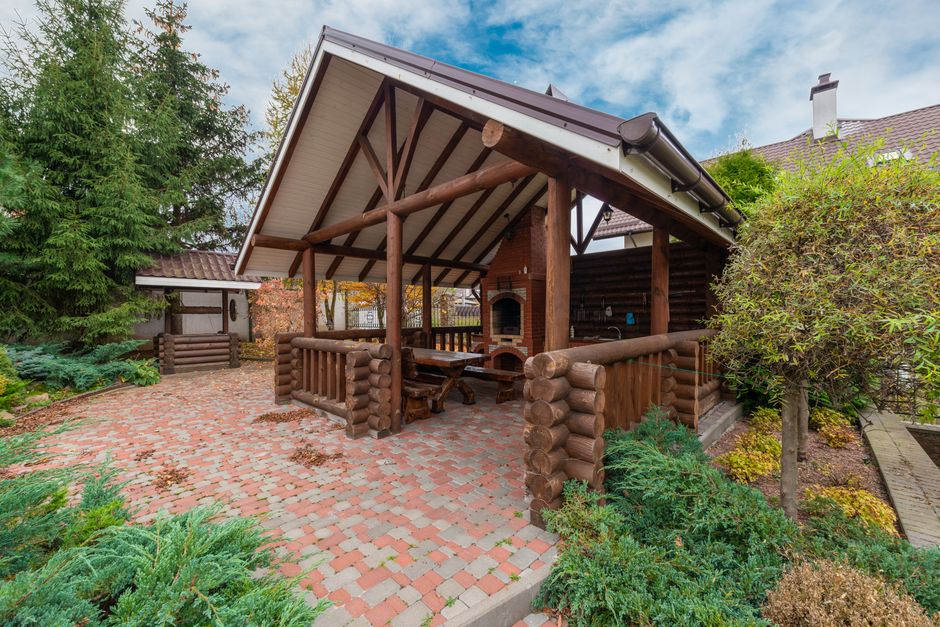
- Pavilion: A larger freestanding structure with a solid, typically rectangular roof and fully open sides. Think of it as a big, open-air shelter.
Gazebos: Cozy, Enclosed Charm
Gazebos are the classic garden centerpiece—romantic, self-contained, and ideal for a defined seating nook. Their solid roof keeps you dry in light rain, and screened versions block insects entirely.
Best For
Intimate seating areas, hot tubs, garden focal points, and homeowners who want full overhead shelter in a compact footprint.
2026 Costs
Prefab kits run $1,500–$7,000; custom-built wood or composite gazebos cost $7,000–$25,000 installed.
Pergolas: Modern, Airy, and Versatile
Pergolas are the most popular choice for contemporary backyards. Their open rafters create dappled shade and a strong architectural statement while keeping the space feeling open and breezy. Add a retractable canopy or motorized louvered roof for adjustable protection.
Best For
Defining a patio or dining area, supporting climbing plants like wisteria, and modern outdoor kitchens or lounges.
2026 Costs
Basic kits start at $1,000–$4,000; premium aluminum louvered (“motorized”) pergolas run $6,000–$20,000+ installed.
Pavilions: Grand, Open-Air Shelter
Pavilions are the largest and most weather-resistant of the three. With a solid roof and open sides, they provide generous shade and rain protection over big spaces, making them the go-to for full outdoor kitchens and dining setups.
Best For
Large gatherings, outdoor kitchens, dining tables for eight or more, and homeowners who want reliable rain and sun cover without walls.
2026 Costs
Prefab pavilions run $5,000–$15,000; large custom timber-frame pavilions reach $15,000–$40,000+.
Head-to-Head Comparison
- Shade/shelter: Pavilion (most) > Gazebo > Pergola (least).
- Rain protection: Pavilion and gazebo protect fully; a standard pergola does not.
- Size: Pavilions are largest, pergolas mid-range, gazebos most compact.
- Style: Gazebo = traditional; pergola = modern/versatile; pavilion = grand/rustic.
- Cost: Pergolas are generally cheapest to start; pavilions the priciest at the high end.
- Airflow: Pergolas win for breeziness; gazebos can feel more enclosed.
Materials and Their Trade-Offs
- Wood (cedar, redwood): Natural, warm look; needs sealing every 2–3 years.
- Aluminum: Rust-proof, low-maintenance, ideal for louvered pergolas; higher upfront cost.
- Vinyl: Affordable and maintenance-free, but limited styles and can look less premium.
- Fiberglass: Strong, paintable, and long-lasting; premium price.
- Steel/composite: Durable and modern, common in higher-end pavilions.
How to Choose the Right Structure for You
Match the structure to your climate and how you’ll use the space:
- Want full rain and sun protection? Choose a pavilion (large spaces) or gazebo (compact spaces).
- Prefer a modern, open feel with partial shade? A pergola is your best bet.
- Building an outdoor kitchen or dining hub? A pavilion offers the coverage appliances and guests need.
- Limited budget or DIY-minded? A pergola or gazebo kit is the most accessible entry point.
- Hot, sunny climate? A louvered pergola lets you adjust shade throughout the day.
Permits, Installation, and Maintenance
Most permanent structures over a certain size require a building permit ($100–$1,000), and HOAs may have design rules—check before you buy. Prefab kits can be DIY-installed over a weekend with a helper, while custom builds and anything anchored to a foundation warrant a contractor. Maintenance varies by material: wood needs regular sealing, while aluminum and vinyl need only occasional cleaning. Always anchor structures properly to resist wind uplift, and confirm footings meet local frost-depth requirements in colder climates to prevent shifting.
Return on Investment and Home Value
All three structures boost curb appeal and expand functional living space, appealing strongly to buyers. Well-built pavilions and pergolas paired with outdoor kitchens tend to deliver the strongest resale interest, while charming gazebos add character to garden-focused properties. As with most outdoor upgrades, quality construction and cohesive design with your home’s style matter more than sheer size. A structure that looks tacked-on or clashes with the home’s architecture can actually detract from value, so aim for materials and proportions that feel like a natural extension of the house. Thoughtful placement—framing a view, anchoring a patio, or creating a shaded destination at the end of a path—also amplifies both enjoyment and perceived worth.
Conclusion
Choosing between a gazebo, pergola, and pavilion comes down to how much shelter you need, your budget, and the look you want. Gazebos deliver cozy, fully covered charm; pergolas offer airy, modern versatility at the friendliest price; and pavilions provide grand, weatherproof coverage for serious entertaining. Define your primary use, factor in your climate, and match the material to your maintenance appetite—do that, and whichever structure you choose will become the favorite spot in your backyard for years to come.