Stucco vs Brick Exterior: Pros, Cons, and Long-Term Costs
Stucco brick exterior is an important consideration for homeowners, and this guide covers it in detail. When it comes to durable, attractive home exteriors, stucco and brick are two of the most enduring choices. Both have graced homes for centuries and offer excellent longevity, but they differ significantly in appearance, cost, maintenance, and climate suitability. If you’re building, renovating, or choosing between the two for a re-clad, this guide compares stucco and brick across every factor that matters—including the long-term costs that often get overlooked.
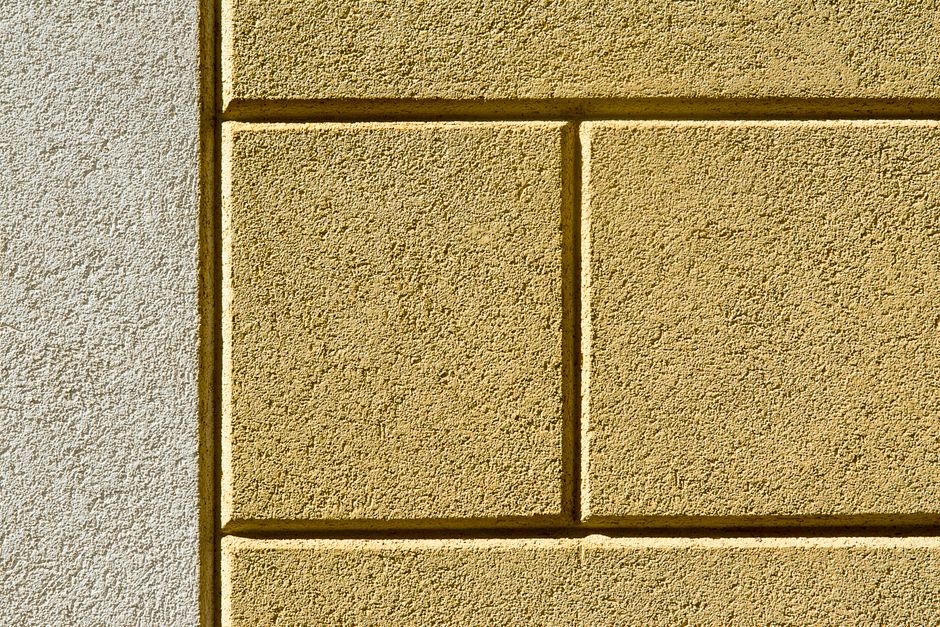
Table of Contents
What Is Stucco?
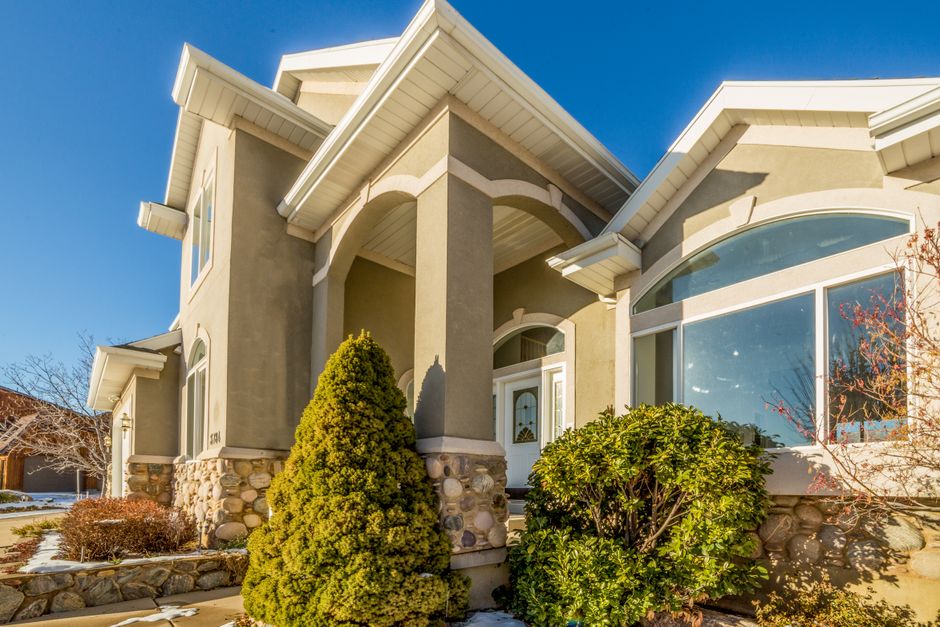
Stucco is a cement-based plaster applied in layers over a wall surface, typically reinforced with a lath backing. Traditional stucco uses Portland cement, sand, lime, and water, while modern synthetic stucco (EIFS) uses acrylic resins over foam insulation. Once cured, stucco forms a hard, seamless, textured surface that can be tinted in nearly any color and shaped into decorative details.
What Is Brick?
Brick exteriors use fired clay units laid in mortar, either as a structural wall or, more commonly today, as a brick veneer over a wood or steel frame. Brick offers a classic, timeless look with natural color variation and exceptional durability. It has been used in construction for thousands of years and remains a symbol of permanence and quality.
Upfront Cost Comparison
Brick generally costs more to install than stucco:
- Stucco: $7–$14 per square foot installed, averaging around $9–$10.
- Brick veneer: $12–$25 per square foot installed, averaging around $15–$18.
For a 2,000-square-foot exterior, stucco might run $14,000–$28,000, while brick could reach $24,000–$50,000. Brick’s higher labor intensity and material cost account for most of the difference.
Appearance and Design Flexibility
The two materials create distinctly different aesthetics:
Stucco
Stucco offers a smooth or textured, seamless look popular in Mediterranean, Spanish, Southwestern, and modern architecture. It can be tinted to virtually any color and reshaped or recolored over time, giving it strong design flexibility.
Brick
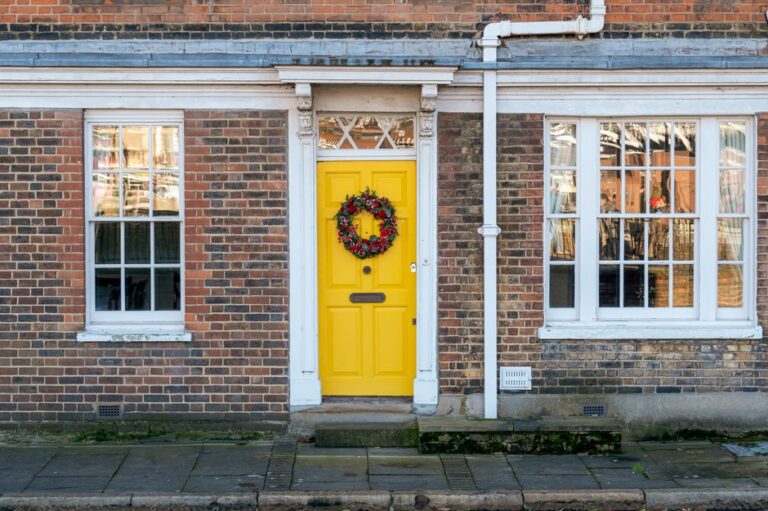
Brick delivers a traditional, substantial appearance with rich natural tones and endless bond patterns. Its color is permanent (unless painted), and it pairs well with colonial, craftsman, Tudor, and traditional styles. Many buyers perceive brick as a premium material.
Durability and Lifespan
Both materials are highly durable, but brick has the edge in longevity:
- Brick: Can last 100+ years with minimal structural degradation. It’s fire-resistant, pest-proof, and holds up to impact.
- Stucco: Lasts 50–80 years when properly installed and maintained, but is more prone to cracking from settling and moisture intrusion.
Brick’s fired-clay composition makes it exceptionally resistant to the elements, while stucco’s cement surface, though tough, can develop cracks that require attention.
Maintenance Requirements
Maintenance is where the long-term picture gets interesting:
Stucco Maintenance
Stucco requires periodic inspection for cracks, which should be sealed promptly to prevent moisture damage. It may need repainting or a fresh color coat every 5–10 years, and in wet climates, moisture management is critical to avoid hidden damage behind the surface.
Brick Maintenance
Brick is famously low-maintenance. The main upkeep is repointing—replacing deteriorated mortar joints—which is typically needed every 25–50 years. Occasional cleaning to remove efflorescence or dirt is usually all else that’s required.
Energy Efficiency and Insulation
Both materials provide thermal mass that helps moderate indoor temperatures, but neither is a strong insulator on its own. Synthetic stucco (EIFS) includes a foam insulation layer, giving it a meaningful efficiency advantage. Traditional stucco and brick both rely on the wall assembly behind them for insulation. In hot climates, brick’s thermal mass helps keep interiors cool, while EIFS stucco offers the best standalone R-value of the group.
Climate Suitability
Where you live should heavily influence your choice:
- Stucco excels in hot, dry climates like the Southwest and Southern California, where limited moisture reduces its main vulnerability.
- Brick performs well in nearly all climates, including freeze-thaw regions and humid areas, thanks to its moisture resistance and durability.
- In wet or freeze-prone climates, brick is often the safer long-term bet, while stucco requires meticulous installation and drainage.
Long-Term Cost of Ownership
While brick costs more upfront, its low maintenance can make it more economical over decades:
- Brick: High initial cost, very low ongoing cost. Over 50 years, maintenance is minimal beyond occasional repointing.
- Stucco: Lower initial cost, but repainting, crack repair, and moisture management add up. In damp climates, repair costs can be significant.
Brick also tends to command a resale premium, with many buyers willing to pay more for a brick home. When you spread costs over the lifespan of each material, the gap between the two narrows considerably—and brick may even come out ahead in the long run.
Which Should You Choose?
Choose stucco if you want a lower upfront cost, prefer a smooth or Mediterranean aesthetic, live in a dry climate, and value the ability to recolor over time. Choose brick if you prioritize maximum longevity, minimal maintenance, strong resale appeal, and performance across any climate—and your budget can absorb the higher initial investment.
Can You Combine or Change Between the Two?
Many homes successfully mix both materials—brick on the lower level or accent walls with stucco above, for example—to balance cost and aesthetics. This approach lets you place durable, premium-looking brick where it’s most visible while using more affordable stucco elsewhere. Switching an existing exterior from one to the other is possible but costly: stucco can sometimes be applied over sound brick, while covering stucco with brick veneer requires structural evaluation to support the added weight. If you’re re-cladding, factor in removal, wall preparation, and potential structural work, which can add thousands to the project. For most homeowners, choosing the right material during construction or a full renovation is far more economical than switching later.
Conclusion
Both stucco and brick are proven, attractive, long-lasting exterior materials, and neither is a wrong choice. Stucco wins on upfront affordability and design flexibility, while brick wins on durability, low maintenance, and long-term value. Weigh your climate, budget, aesthetic preference, and how long you plan to stay in the home. For a dry climate and a modern look on a tighter budget, stucco is ideal; for a set-it-and-forget-it exterior that lasts a century, brick is hard to beat.