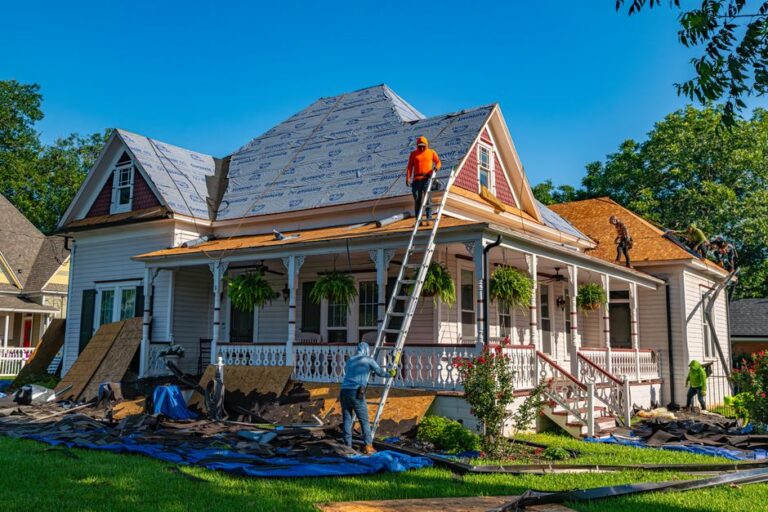

Do You Need a Permit for Exterior Renovations? A State-by-State Overview
Permit exterior renovations is an important consideration for homeowners, and this guide covers it in detail. Planning an exterior renovation is exciting—until you hit the question that trips up many homeowners: do you need a permit? Skipping a required permit can lead to fines, forced removal of completed work, insurance headaches, and complications when you sell your home. But not every project needs one, and requirements vary significantly by state, city, and even neighborhood. This guide explains when permits are typically required, walks through a state-by-state overview, and shows you how to stay on the right side of the rules.
Table of Contents
Why Permits Exist
Building permits ensure that construction meets safety codes, zoning laws, and structural standards. They protect you, your neighbors, and future owners by verifying that work is done correctly. Permitted work is inspected, documented, and legally recognized—which matters enormously when you sell, refinance, or file an insurance claim. Unpermitted work discovered during a home sale can derail deals or force expensive retroactive permitting.
Exterior Projects That Usually Require a Permit
While rules vary, these exterior projects commonly require permits across most jurisdictions:
- Structural changes: Additions, room extensions, or altering load-bearing walls.
- Roofing: Full roof replacement (though minor repairs often don’t).
- Decks and porches: Especially those over 30 inches high or attached to the home.
- Fences: Above a certain height (commonly 6–7 feet).
- Siding replacement: Often required, particularly if it affects the structure.
- Window and door changes: When altering the size of the opening.
- Retaining walls: Typically over 3–4 feet tall.
- Driveways and major hardscaping: When affecting drainage or right-of-way.
Exterior Projects That Usually Don’t Need a Permit
Many cosmetic and minor projects are permit-exempt in most areas:
- Painting the exterior.
- Minor roof or siding repairs.
- Replacing windows in the same opening (varies by location).
- Landscaping, planting, and mulching.
- Small, low fences under the height threshold.
- Ground-level patios and pavers (in many areas).
Always confirm with your local building department, since even these can require permits in stricter jurisdictions or historic districts.
How Permit Authority Works in the US
Here’s the key thing to understand: permits are issued locally, not by states directly. While states adopt building codes (often based on the International Residential Code), the actual permitting is handled by your city or county building department. That means two homes in the same state can face different requirements depending on their municipality. The state-by-state overview below reflects general tendencies, but your local jurisdiction always has the final say.
State-by-State Overview
Below is a general look at how permitting tends to work across representative states. Verify specifics locally.
California
Among the strictest. Permits are required for most structural work, re-roofing, siding, decks, and window enlargements. Title 24 energy standards add requirements for windows and insulation. Coastal and fire zones impose extra rules.
Texas
No statewide residential building code enforcement, so rules vary widely by city. Major metros like Austin, Houston, and Dallas require permits for roofing, additions, decks, and fences, while unincorporated rural areas may have minimal requirements.
Florida
Strict due to hurricane codes. Permits are required for roofing, windows, doors, siding, and decks, with wind-load and impact-resistance standards enforced. The Florida Building Code is rigorously applied statewide.
New York
Requirements vary from NYC’s complex Department of Buildings process to simpler upstate towns. Structural work, decks, and major exterior changes require permits; NYC also regulates facade work on many buildings.
Illinois
Chicago has robust permitting for exterior work, while smaller municipalities vary. Decks, roofing, additions, and fences over height limits generally require permits.
Arizona
Permits are typically required for structural work, re-roofing, block walls, and larger decks. Phoenix and Tucson enforce codes actively; rural counties may be more relaxed.
Washington
Follows a statewide code with local enforcement. Permits are needed for decks, structural changes, re-roofing, and retaining walls. Energy codes affect windows and siding.
Georgia, North Carolina, and the Southeast
Generally require permits for structural work, roofing, decks, and additions, with enforcement concentrated in cities and suburbs. Rural areas may be less stringent.
Permits in the UK
UK homeowners deal with Planning Permission and Building Regulations rather than US-style permits. Many minor exterior changes fall under “permitted development” and don’t need planning permission, but larger extensions, changes in conservation areas, and work on listed buildings do. Building Regulations approval is separate and covers structural safety. Always check with your local council before starting.
What Happens If You Skip a Required Permit
Proceeding without a required permit carries real consequences:
- Fines and stop-work orders that halt your project.
- Forced removal or redoing of completed work at your expense.
- Insurance denial if unpermitted work causes damage.
- Sale complications—buyers and inspectors flag unpermitted work, and you may need costly retroactive permits.
- Safety risks from work that never passed inspection.
How to Get a Permit
The process is usually straightforward:
- Contact your local building department or check their website.
- Submit an application with project plans or drawings.
- Pay the permit fee (often $50–$2,000 depending on scope).
- Schedule required inspections during and after the work.
- Receive final sign-off documenting compliant, legal work.
Licensed contractors typically handle permits on your behalf—just confirm they’re doing so in writing.
Conclusion
Whether you need a permit for an exterior renovation depends heavily on the project and, crucially, on your local jurisdiction rather than just your state. Structural changes, roofing, decks, siding, and larger fences usually require permits, while painting and minor repairs often don’t. Because rules vary so widely, the single most reliable step is to call your local building department before you start. A quick phone call can save you thousands in fines, rework, and future sale headaches—making permits well worth the modest effort.