Patio vs Deck: Which Adds More Value and Costs Less to Maintain?
Patio deck is an important consideration for homeowners, and this guide covers it in detail. You want to expand your outdoor living space, but the choice between a patio and a deck can feel surprisingly complicated. Both create usable square footage for entertaining, dining, and relaxing, yet they differ in cost, maintenance, installation, and how much value they return at resale. If you are a homeowner in the US, UK, Canada, or Australia weighing these two options in 2026, this detailed comparison will help you decide which one fits your yard, your budget, and your long-term plans.
Table of Contents
Patio vs Deck: The Core Difference
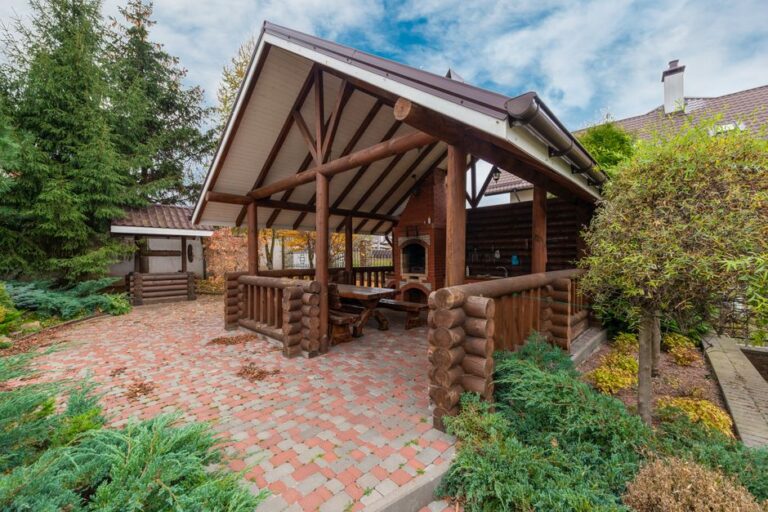
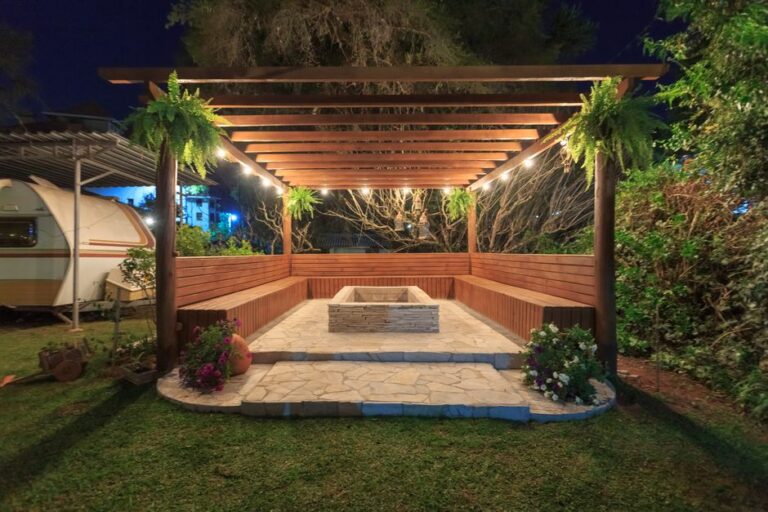
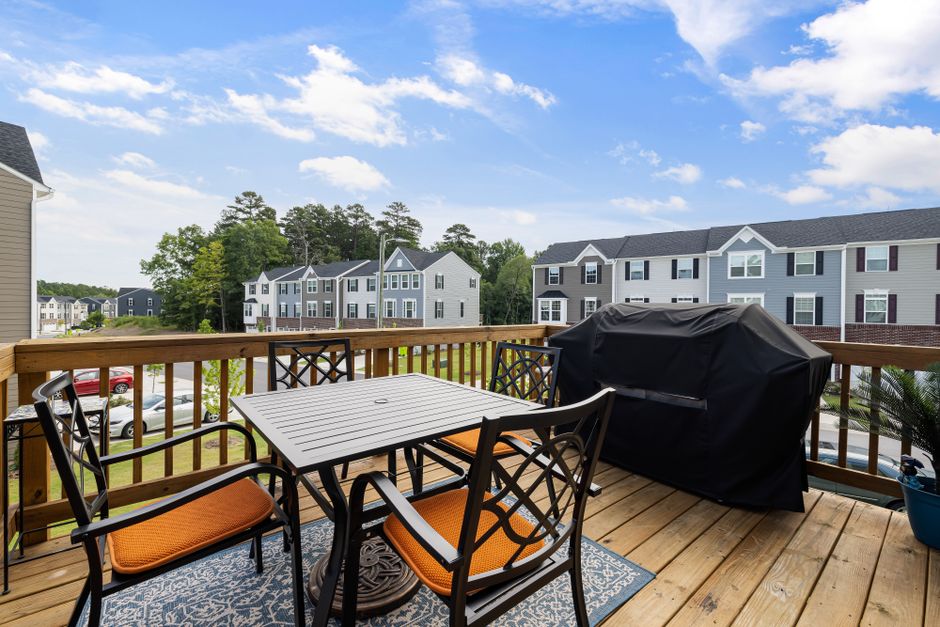
A patio is a ground-level outdoor surface built directly on the earth, typically from concrete, pavers, brick, stone, or gravel. A deck is an elevated platform built from a wood or composite structure supported by posts and footings. That fundamental structural difference, on-grade versus raised, drives nearly every other distinction in cost, upkeep, and suitability.
Neither is universally “better.” The right answer depends heavily on your terrain, climate, and how you plan to use the space.
Upfront Cost Comparison
Patios are generally cheaper to install than decks because they require no elevated framing. In 2026, expect these material-plus-labor ranges:
- Concrete patio: $8–$20 per sq ft
- Paver patio: $15–$30 per sq ft
- Natural stone patio: $20–$45 per sq ft
- Pressure-treated wood deck: $20–$35 per sq ft
- Composite deck: $30–$60 per sq ft
For a 300-square-foot space, a basic concrete patio might cost $3,000–$6,000, while a mid-range composite deck could run $12,000–$18,000. On flat ground, the patio usually wins the budget battle by a wide margin.
When a Deck Makes More Sense
Cost aside, terrain often makes the decision for you. Decks shine when:
- Your yard slopes steeply, where a patio would require expensive grading or retaining walls.
- You want the outdoor space level with a raised interior floor for seamless indoor-outdoor flow.
- You need to build over uneven or rocky ground.
- You want a second-story outdoor space off an upper floor.
On a sloped lot, a deck can actually be the cheaper option because leveling the ground for a patio can cost thousands in earthwork and retaining structures.
When a Patio Makes More Sense
Patios are the smart pick when your yard is relatively flat and you want durability with minimal fuss. They also offer design flexibility that decks cannot match: intricate paver patterns, fire pits set directly into the surface, and seamless transitions to lawns and gardens. Because a patio sits on the ground, there is no fall risk from height and often no railing requirement, which keeps both cost and visual clutter down.
Maintenance: Where Patios Pull Ahead
This is the category where patios generally win. A concrete or stone patio needs little more than occasional sweeping, the odd pressure wash, and resealing every few years for pavers. There is no rot, no warping, and no annual staining.
Wood decks, by contrast, demand real ongoing attention: cleaning, sealing or staining every 2–3 years, and periodic board replacement as they age. Composite decking slashes that maintenance dramatically, needing only soap-and-water cleaning, but it carries a higher upfront price. Over a 25-year horizon, a wood deck’s cumulative maintenance can add $3,000–$8,000 in materials and effort, a hidden cost patios largely avoid.
Lifespan and Durability
Patios built from concrete, stone, or pavers routinely last 30–50 years or more with minimal intervention. Pavers have the added advantage that individual units can be lifted and replaced if damaged. Wood decks typically last 15–25 years depending on climate and upkeep, while quality composite decks are warrantied for 25–50 years. In wet climates like the UK Pacific Northwest, or coastal Australia, moisture accelerates wood deck decay, tilting the durability advantage further toward patios.
Resale Value and ROI
Both features add value, but the data slightly favors decks on percentage return. In 2026, wood decks recoup roughly 60–75% of their cost at resale, and buyers instantly recognize a deck as a lifestyle asset. Patios return a solid 50–70%, with high-end stone and paver patios performing best.
Because patios cost less upfront, the absolute dollar difference in ROI is often small. Appraisers and buyers care most about quality, integration with the home, and overall usable outdoor living space, regardless of which type you choose.
Comfort, Climate, and Usability
Consider how each surface behaves in your climate. Concrete and stone absorb and radiate heat, which can make a patio uncomfortably hot underfoot in sunny Australian or southern US summers, but pleasant on cool evenings. Decks stay cooler and offer a softer, more forgiving surface, though composite boards can also heat up in direct sun. Patios drain well and rarely feel bouncy; decks provide a breeze underneath and elevate you above damp ground, a plus in rainy British climates.
Making Your Decision
To choose confidently, weigh these questions:
- Is your yard flat or sloped? Flat favors a patio; sloped favors a deck.
- How much maintenance will you tolerate? Low tolerance favors a patio or composite deck.
- What is your budget? Tighter budgets on level ground favor a patio.
- Do you want indoor-outdoor flow at floor level? That favors a deck.
Many homeowners with the space and budget ultimately build both, a deck adjacent to the house flowing down to a patio in the yard, capturing the strengths of each.
Conclusion
If your priority is the lowest maintenance and longest lifespan for the least money on flat ground, a patio is the clear winner. If your yard slopes, or you crave seamless flow from an elevated interior and a slightly stronger resale return, a deck justifies its higher cost and upkeep. Assess your terrain first, be honest about how much maintenance you will actually do, and get quotes for both. Either choice, done well, transforms how you use your outdoor space for decades to come.