How Much Does It Cost to Build a Deck in 2026? Full Price Breakdown
Cost build deck is an important consideration for homeowners, and this guide covers it in detail. Building a deck remains one of the most popular home improvement projects in 2026, and for good reason: a well-built deck expands your living space, boosts curb appeal, and returns a healthy chunk of its cost when you sell. But before you start dreaming about summer barbecues and morning coffee outdoors, you need a realistic picture of the numbers. Deck costs have shifted meaningfully over the past few years thanks to lumber price volatility, higher labor rates, and the growing popularity of premium composite materials. This full price breakdown walks you through every major cost factor so you can budget with confidence.
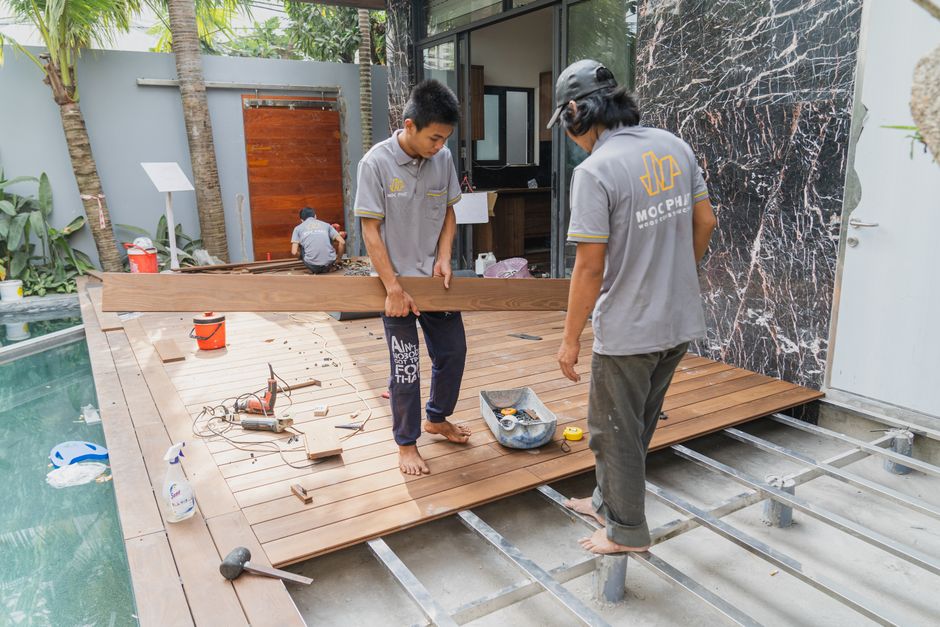
Table of Contents
The Average Cost to Build a Deck in 2026
In 2026, the typical homeowner spends between $30 and $60 per square foot for a professionally built deck, materials and labor included. A standard 300-square-foot deck therefore lands somewhere between $9,000 and $18,000. Simple ground-level pressure-treated builds can dip closer to $20 per square foot, while elevated multi-level decks in premium materials can push past $75 per square foot.
These ranges are broad because a “deck” can mean anything from a modest platform off the back door to a sprawling multi-tier outdoor room with built-in seating, lighting, and a pergola. The four variables that move the price most are size, material, height, and labor in your region.
Material Costs: The Biggest Variable
Decking material is where budgets swing dramatically. Here is how the most common options compare on a per-square-foot basis for materials alone in 2026:
- Pressure-treated pine: $3–$7 per sq ft. The budget standard, widely available and easy to work with, but requires regular sealing.
- Cedar or redwood: $7–$15 per sq ft. Naturally rot-resistant softwoods with attractive grain, though prices vary sharply by region.
- Composite (Trex, TimberTech): $9–$18 per sq ft. Low maintenance and long-lasting, now the most popular premium choice.
- PVC / capped polymer: $12–$22 per sq ft. Fully synthetic, extremely durable, and moisture-proof.
- Tropical hardwoods (Ipe, cumaru): $15–$30 per sq ft. Dense, gorgeous, and long-lived, but heavy and demanding to install.
Remember that decking boards are only part of the material bill. You also pay for the substructure (joists, beams, posts), fasteners, footings, and often railings, which can add 30–50% on top of the surface material cost.
Labor Costs and What Drives Them
Labor typically accounts for 40–60% of a deck’s total price. In 2026, deck builders charge roughly $15–$35 per square foot for labor depending on your area and the complexity of the design. Urban markets on the US coasts, greater London, Sydney, and Toronto sit at the high end; rural regions run cheaper.
Complexity multiplies labor hours quickly. Curves, angled boards, picture-frame borders, multiple levels, stairs, and integrated lighting all require extra skill and time. A simple rectangular deck is the most labor-efficient shape you can choose.
Deck Size and Layout
Size is the most intuitive cost driver, but layout matters just as much. Here is a rough total-cost snapshot for common sizes using mid-range composite decking:
- 10×10 ft (100 sq ft): $4,000–$6,000
- 12×16 ft (192 sq ft): $7,500–$11,500
- 16×20 ft (320 sq ft): $12,000–$19,000
- 20×24 ft (480 sq ft): $18,000–$29,000
Larger decks enjoy some economy of scale on labor mobilization, but they also often trigger the need for deeper footings and heavier framing.
Foundations, Height, and Structural Factors
A deck sitting a few inches off the ground is far cheaper than one raised eight feet on posts. Elevated decks require taller posts, more bracing, guardrails to code, and sometimes engineered beams, all of which add material and labor. Deck height can add 15–30% to the total cost.
Ground conditions also matter. Rocky soil, high water tables, or sloped yards complicate footing installation. In cold climates like Canada and the northern US, footings must extend below the frost line, meaning deeper, more expensive concrete piers.
Railings, Stairs, and Add-Ons
The extras are where a “basic” deck becomes a dream deck, and where budgets balloon. Typical 2026 add-on costs include:
- Railings: $20–$60 per linear foot (wood to aluminum/glass)
- Stairs: $150–$400 per step installed
- Built-in bench seating: $50–$100 per linear foot
- Deck lighting: $80–$180 per fixture installed
- Pergola or shade structure: $3,000–$10,000
- Under-deck drainage system: $10–$20 per sq ft
Glass or cable railings dramatically raise costs but preserve views, making them popular on decks with attractive surroundings.
Permits, Inspections, and Hidden Costs
Most jurisdictions in the US, UK, Canada, and Australia require a building permit for decks above a certain height or size. Permit fees range from $100 to $800 depending on locality and project scope. Skipping the permit can cause serious headaches at resale and may void insurance.
Other easy-to-forget expenses include old deck demolition and disposal ($500–$1,500), site preparation, and any landscaping repair afterward. Building a modest contingency of 10–15% into your budget protects you from surprises like hidden rot on an attached ledger board.
DIY vs Hiring a Pro
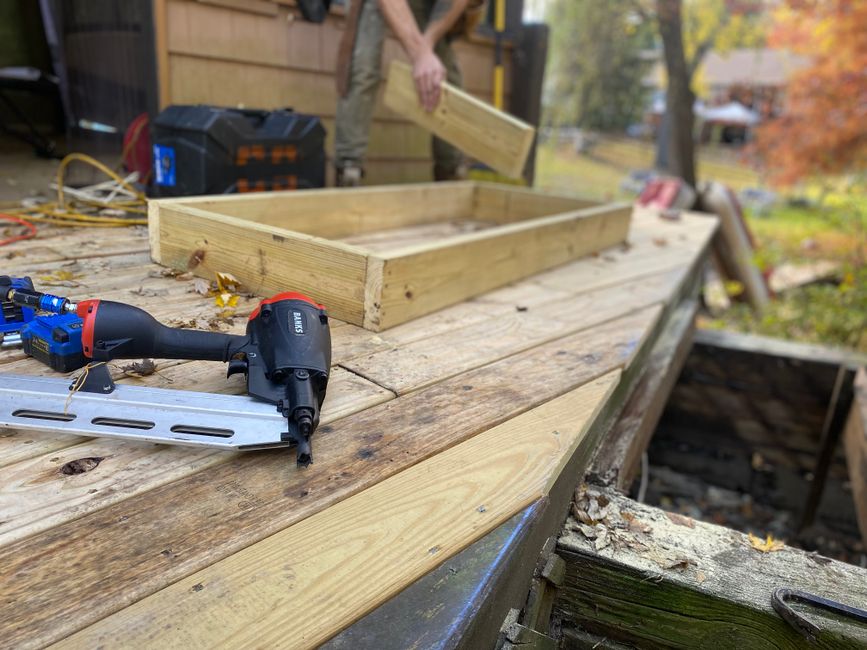
A confident DIYer can save the entire labor portion, cutting a project’s cost roughly in half. A simple ground-level pressure-treated deck is a realistic weekend-plus project for someone with carpentry experience and the right tools. However, structural errors, especially at the ledger connection where the deck attaches to the house, are the leading cause of catastrophic deck collapses. If your deck is elevated, attached to the home, or complex, hiring a licensed pro is money well spent.
Return on Investment
Decks consistently rank among the best-returning outdoor projects. In 2026, homeowners can expect to recoup roughly 60–75% of a wood deck’s cost at resale and slightly less for premium composite builds, though composite’s low maintenance is a strong selling point. Beyond dollars, a deck delivers years of usable living space, which is a return no spreadsheet fully captures.
Conclusion
Building a deck in 2026 is a significant investment, most homeowners land between $9,000 and $18,000 for a mid-sized build, but it is one of the most rewarding upgrades you can make to your home. The keys to a smart budget are choosing the right material for your maintenance appetite, keeping the layout simple where you can, and building in a contingency for the surprises every construction project brings. Get three detailed quotes, confirm your permit requirements early, and you will be relaxing on your new deck without any nasty financial surprises.