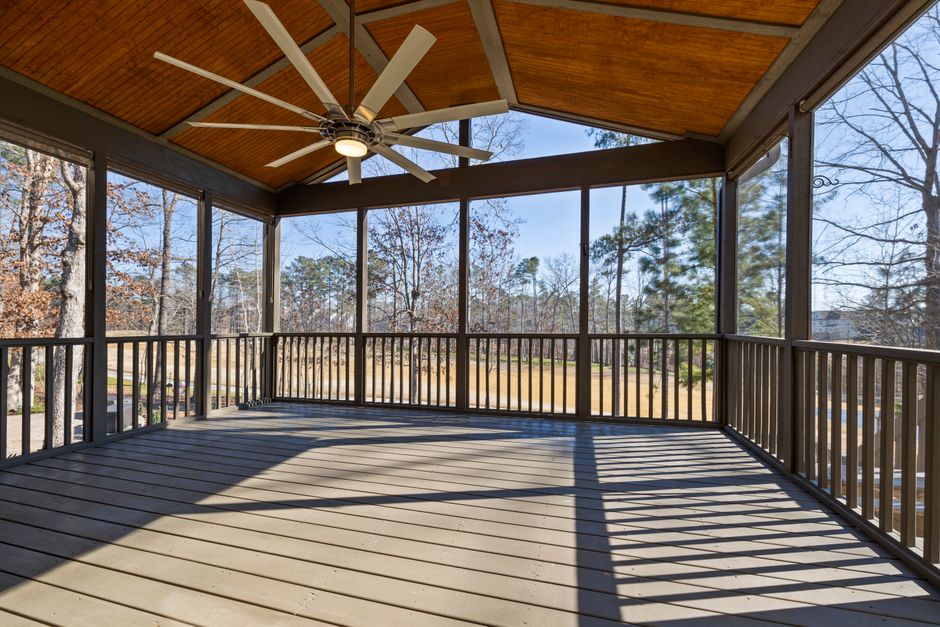
Screened-In Porch Ideas and Costs: Extend Your Outdoor Season
Screened porch ideas costs is an important consideration for homeowners, and this guide covers it in detail. As the days grow longer, a screened-in porch is one of the smartest ways to reclaim your outdoor space from bugs, harsh sun, and unpredictable weather. It bridges the gap between a fully enclosed room and an open deck, letting you enjoy fresh air without the mosquitoes. Whether you’re converting an existing patio or building from scratch, this guide covers realistic 2026 costs, popular design ideas, and everything you need to plan a porch that extends your outdoor season by months.
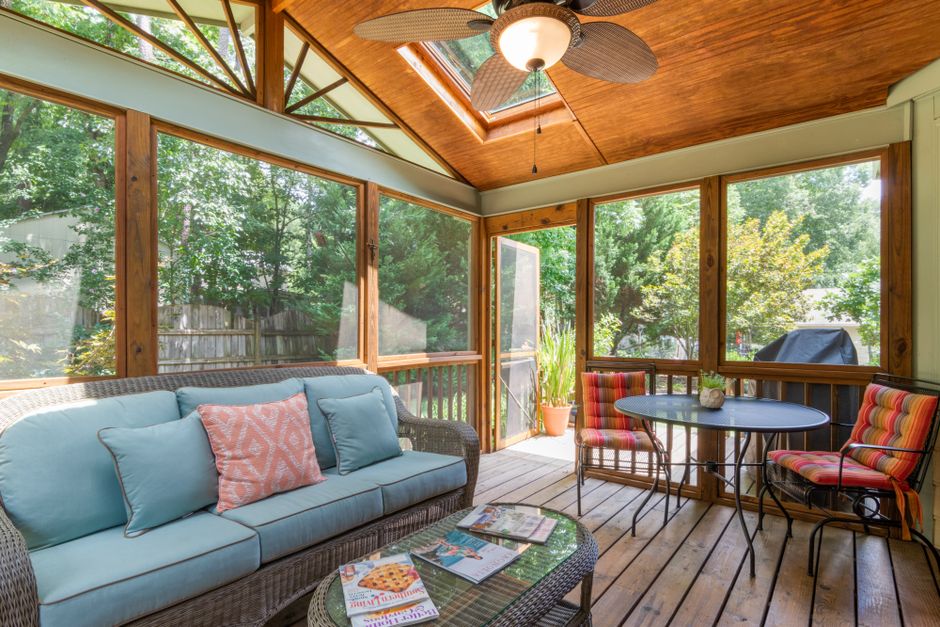
Table of Contents
What Is a Screened-In Porch?
A screened-in porch is a roofed structure enclosed with mesh screening rather than glass or solid walls. It keeps out insects, leaves, and debris while allowing breezes to flow through. Unlike a sunroom, it isn’t sealed or climate-controlled, which keeps costs far lower. It’s the ideal middle ground for homeowners who want shelter and comfort without the price tag of a full room addition.
Average Screened-In Porch Costs in 2026
In 2026, a new screened-in porch typically costs $18,000 to $45,000 in the US, or roughly $70–$130 per square foot for a full build including foundation and roof. UK homeowners see comparable figures of £15,000–£38,000. If you already have a covered porch or patio, simply adding screening runs a much more affordable $3,000 to $8,000.
The gap between these numbers comes down to whether you’re building structure from the ground up or enclosing something that already exists. Location plays a role too—labor rates in high-cost metro areas can push a project 20–30% above these averages, while rural builds may come in lower.
Cost Breakdown by Component
- Foundation/flooring: $2,000–$8,000 (concrete slab, pavers, or composite decking).
- Framing and posts: $3,000–$9,000 depending on size and material.
- Roof: $3,500–$10,000 for a matching gable or shed roof.
- Screening and frames: $1,500–$5,000 depending on the system.
- Door: $200–$600 for a self-closing screen door.
- Electrical: $800–$3,000 for lighting, outlets, and fans.
- Permits: $150–$1,000 depending on locality.
Screening Material Options
The screen mesh you choose affects durability, visibility, and price.
Fiberglass Mesh
The most common and affordable option. It’s flexible, easy to install, and won’t corrode, though it tears more easily than metal.
Aluminum Mesh
More durable and rigid than fiberglass, resisting sags and dents. It costs slightly more and can show a diamond-shaped glare in bright light.
Pet-Resistant and Solar Screens
Heavy-duty pet screen resists claws and is up to seven times stronger than standard mesh. Solar screening blocks up to 90% of UV rays, cutting heat and glare—ideal for sunny, south-facing porches.
Popular Screened-In Porch Design Ideas
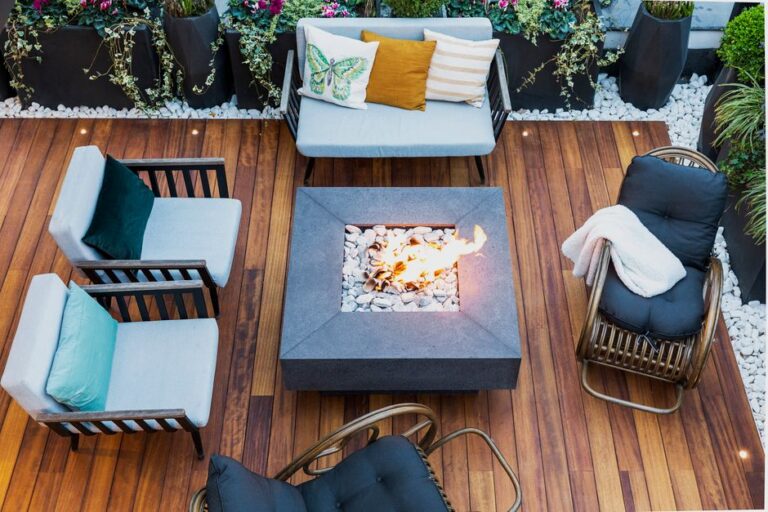
- Outdoor living room: Weatherproof sofas, an area rug, and a coffee table for a cozy lounge feel.
- Dining porch: A large table and pendant lighting for al fresco meals bug-free.
- Three-season upgrade: Add ceiling fans, a fireplace or heater, and eze-breeze panels to stretch usability into cooler months.
- Vaulted ceiling with skylights: Creates an airy, open feel and floods the space with natural light.
- Screened porch with fireplace: A gas or electric fireplace becomes a striking focal point and adds warmth.
- Sleeping porch: A daybed or hanging bed for lazy afternoons and cool summer nights.
Factors That Affect Your Total Cost
- Size: The biggest driver—more square footage means more materials and labor.
- Attached vs. freestanding: Attaching to the house is usually cheaper than a standalone structure.
- Roof style: A gable or vaulted roof costs more than a simple shed roof.
- Flooring choice: Composite and stone cost more than a basic concrete slab.
- Add-ons: Fans, lighting, heaters, and premium screening all add up.
DIY vs. Hiring a Professional
Screening an existing covered porch is a realistic weekend DIY project, potentially saving 40–60% on labor. Screen porch kits cost $500–$2,500 and include pre-cut framing and mesh. However, building a full porch with a foundation and roof requires structural knowledge, permits, and often a contractor. If load-bearing framing or roofing is involved, hire a pro—mistakes there are expensive and can be dangerous.
Maintenance and Longevity
A well-built screened porch lasts 15–25 years or more. Maintenance is minimal: rinse screens seasonally, inspect for tears, and re-screen individual panels as needed ($100–$400 per section). Wood framing needs periodic sealing or painting, while aluminum and composite are nearly maintenance-free. Keeping gutters clear and checking for wood rot annually will maximize lifespan.
Is a Screened-In Porch Worth It?
For most homeowners, yes. A screened porch delivers roughly a 70–75% return on investment at resale while dramatically expanding usable living space during warm months. It costs a fraction of a sunroom or full addition, adds curb appeal, and creates a bug-free retreat the whole family will use. In regions with mosquitoes, humid summers, or intense sun, it’s one of the highest-value outdoor upgrades available. Beyond the numbers, the daily quality-of-life boost is hard to overstate: morning coffee without bugs, evening meals without swatting, and a comfortable spot to read or work outdoors are the kind of everyday luxuries that make a house feel like home. Buyers sense that appeal instantly during showings, which is part of why screened porches photograph and market so well.
Conclusion
A screened-in porch is a rare upgrade that improves daily life and resale value at once. Expect to spend $18,000–$45,000 for a full build or $3,000–$8,000 to enclose an existing covered space in 2026. By choosing the right screen material, prioritizing the features you’ll actually use, and deciding honestly between DIY and professional help, you can create a comfortable, bug-free retreat that extends your outdoor season by months—and pays you back in enjoyment every single evening.