The Real ROI of Landscaping: How Much Value It Adds to Your Home
Real roi landscaping is an important consideration for homeowners, and this guide covers it in detail. Most homeowners think of landscaping as a lifestyle expense, something you do to enjoy your garden rather than to grow your wealth. But the reality is that thoughtful landscaping is one of the few home improvements that can pay for itself and then some. From boosting curb appeal to speeding up a sale, a well-designed outdoor space quietly adds real dollars to your property’s value.
So how much value does landscaping actually add, and where does the money go furthest? Let’s look at the real numbers behind landscaping ROI and how to invest wisely rather than simply spending.
Table of Contents
How Much Value Does Landscaping Really Add?
Studies and real-estate data consistently show that quality landscaping can increase a home’s value by roughly 5 to 15 percent. On a $400,000 home, that’s potentially $20,000 to $60,000 in added value. Well-landscaped homes also tend to sell faster, often spending noticeably less time on the market than comparable properties with neglected yards. In competitive markets, strong curb appeal can be the deciding factor that gets a buyer through the door in the first place.
The Power of Curb Appeal
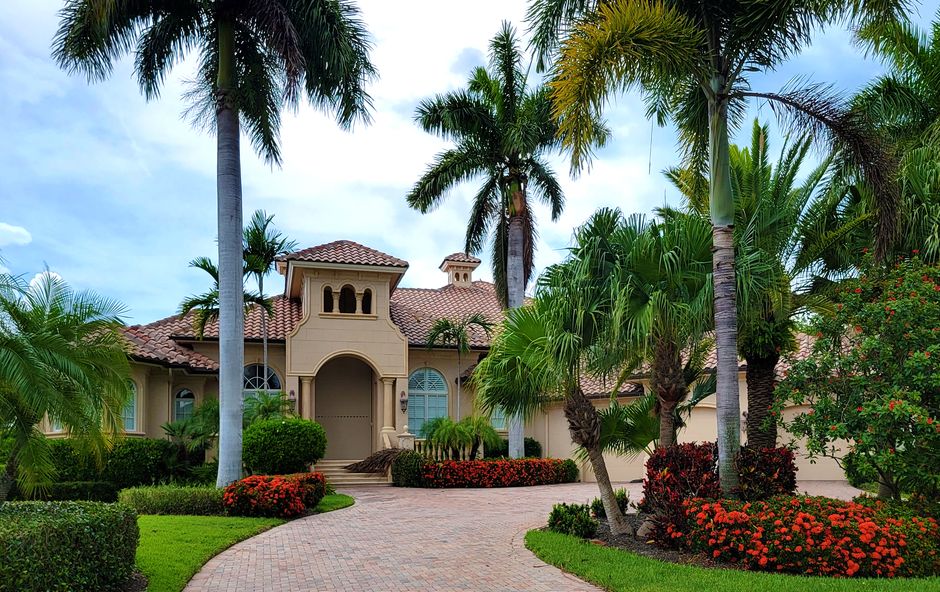
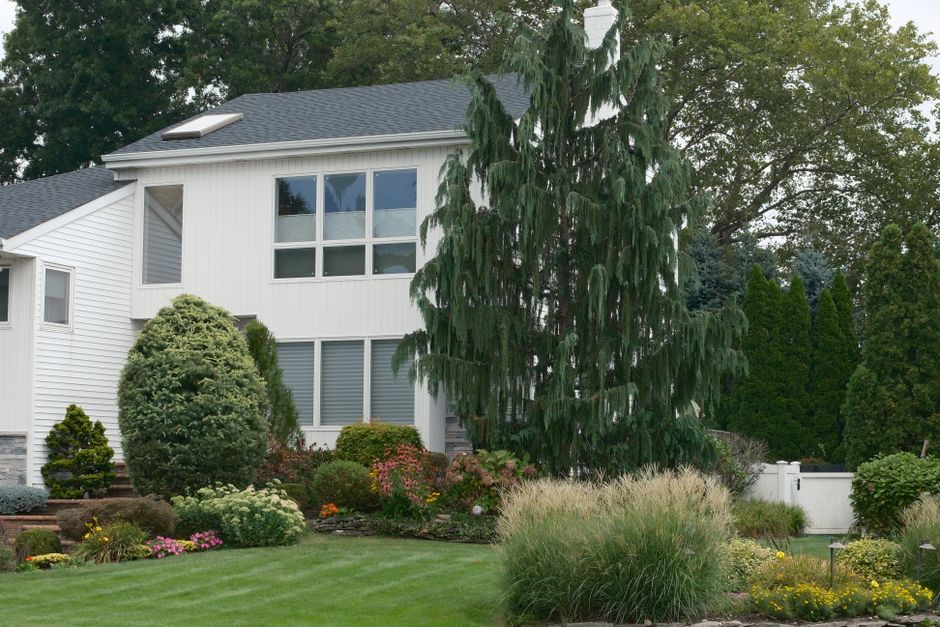
First impressions are formed in seconds, and the front yard is where they happen. Buyers frequently make emotional judgments before they ever step inside, and a tidy, attractive front garden signals that the whole home is well cared for. Simple upgrades like a healthy lawn, defined flower beds, trimmed hedges, and a clean, welcoming entrance path deliver an outsized impact relative to their cost. Curb appeal is arguably the highest-ROI area in all of landscaping.
Which Projects Deliver the Best ROI?
Not all landscaping spends equally. The projects that consistently recover the most value include:
- A healthy, well-maintained lawn: Often returns well over 100 percent of its modest cost.
- Mature trees and quality planting: Established trees can add thousands in perceived value and shade.
- A functional patio or deck: Expands living space and appeals strongly to buyers.
- Landscape lighting: Low cost, high impact, and adds safety and evening ambiance.
- Defined beds and fresh mulch: Inexpensive touches that make everything look intentional.
These reliably outperform expensive, highly personalized features when it comes to resale.
Projects That Rarely Pay Off
On the flip side, some landscaping investments are pure lifestyle spending with little resale return. Elaborate water features, high-maintenance ornamental gardens, swimming pools in cooler climates, and overly personalized or trendy designs often fail to recover their cost. Buyers may even see them as future maintenance burdens. That doesn’t mean you shouldn’t build them, only that you should do so for your own enjoyment rather than expecting a financial return.
Maintenance Matters as Much as Installation
A beautifully landscaped yard that’s been left to grow wild can actually hurt your value. Overgrown shrubs, weedy beds, and a patchy lawn suggest neglect and give buyers an excuse to lower their offers. Ongoing maintenance protects the investment you’ve already made. Regular mowing, pruning, weeding, and seasonal refreshes keep your landscape working in your favor rather than against it, and they cost far less than restoring a garden that’s been allowed to decline.
Landscaping and Energy Savings
Beyond resale value, landscaping delivers ongoing financial returns through energy efficiency. Deciduous trees planted on the sunny side of a home provide cooling shade in summer and let warming sunlight through in winter after they drop their leaves. Evergreen windbreaks reduce heating costs by blunting cold winter winds. These effects can trim meaningful amounts off annual heating and cooling bills, adding a layer of return that pure resale figures don’t capture.
How to Maximize Your Landscaping ROI
To get the most value from your landscaping budget, focus your spending strategically:
- Prioritize the front yard and curb appeal before the back.
- Choose low-maintenance, climate-appropriate plants that stay attractive with little effort.
- Invest in structure and good design rather than expensive one-off features.
- Keep the design tasteful and broadly appealing rather than highly personalized.
- Maintain what you install so it continues to add value over time.
Spending less money wisely almost always beats spending more money carelessly.
Understanding ROI: Enjoyment Versus Resale
It helps to separate two very different kinds of landscaping return. The first is resale ROI, the portion of your spend you recover when you sell the home. The second is lifestyle ROI, the daily value of enjoying a beautiful, functional outdoor space for the years you live there. A backyard fire pit and dining area might only recover part of its cost at sale, yet deliver hundreds of evenings of enjoyment in the meantime. Smart homeowners weigh both. If you plan to sell within a couple of years, lean heavily toward resale-friendly projects. If you’re staying put for a decade, it’s perfectly rational to invest in features that improve your quality of life even if they don’t fully pay back at closing.
Budgeting Landscaping as a Percentage of Home Value
A widely cited rule of thumb suggests investing roughly 5 to 10 percent of your home’s value in landscaping to maximize returns without overcapitalizing. On a $400,000 property, that’s $20,000 to $40,000 spread across the whole outdoor space over time. Spending far below that can leave value on the table, while spending dramatically above it risks pricing your yard beyond what the neighborhood supports, meaning you won’t recover the excess. Anchoring your budget to your home’s value and your local market keeps your investment proportionate and protects you from over-improving relative to the street.
Conclusion
Landscaping is far more than a cosmetic indulgence; it’s a genuine investment that can add 5 to 15 percent to your home’s value, speed up a sale, and cut your energy bills along the way. The trick is spending where it counts: strong curb appeal, a healthy lawn, quality planting, functional outdoor living space, and consistent maintenance. Skip the personalized extravagances if resale is your goal, keep things tasteful and well-kept, and your yard will reward you both in daily enjoyment and in real, measurable value when it’s time to sell.