Retractable Awnings and Shade Structures: Costs and Benefits
Retractable awnings shade structures is an important consideration for homeowners, and this guide covers it in detail. A retractable awning promises the best of both worlds: shade when you want it, open sky when you don’t. As outdoor living has become a permanent extension of the home, these adjustable shade systems have moved from luxury add-on to mainstream upgrade. But they represent a meaningful investment, and the market is crowded with options ranging from a few hundred dollars to well over ten thousand.
This guide walks through what retractable awnings and fixed shade structures really cost in 2026, the benefits and trade-offs of each, and how to decide which solution fits your space, climate, and budget.
Table of Contents
How Retractable Awnings Work
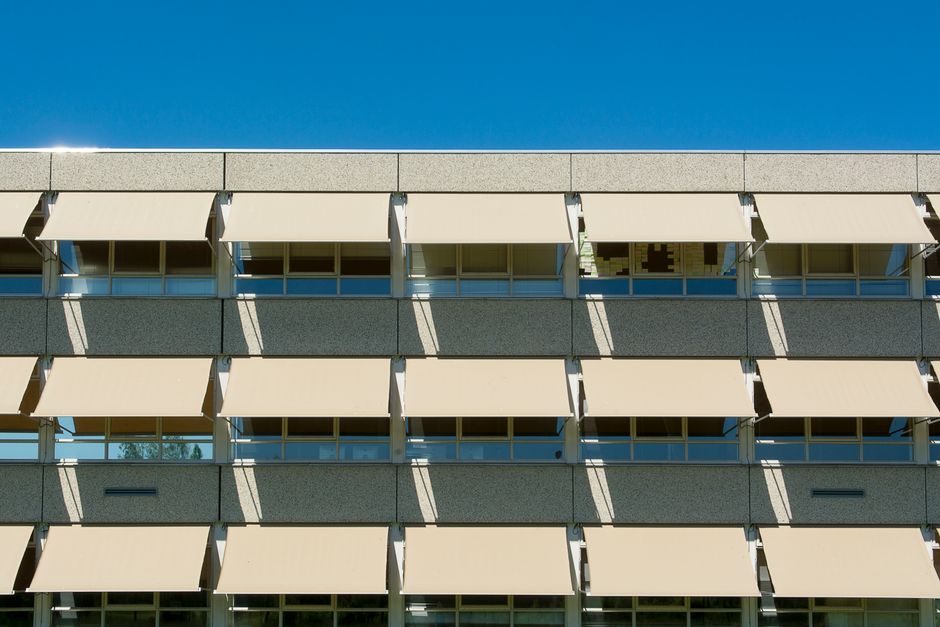
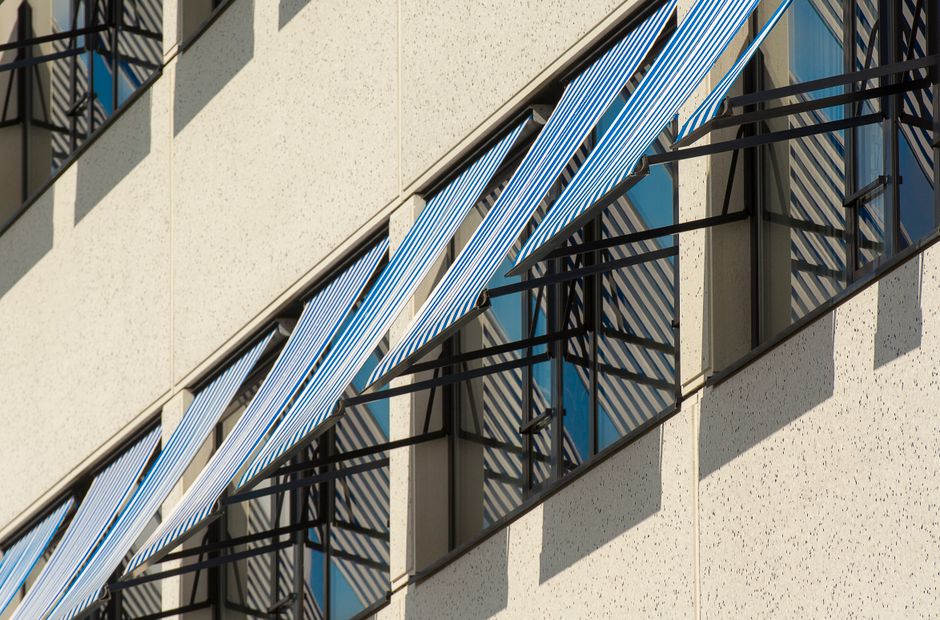
A retractable awning is a fabric canopy mounted to your home’s exterior that extends outward on folding arms and retracts flat against the wall when not needed. The core mechanism is the lateral arm system, which uses spring or gas tension to hold the fabric taut at any extension. Operation can be manual (a hand crank) or motorized, with premium models adding wind and sun sensors that retract or deploy the awning automatically. Widths commonly span 10 to 20 feet, and projection – how far the awning reaches out – typically ranges from 8 to 12 feet.
Retractable Awning Costs in 2026
Price is driven by size, operation type, fabric quality, and installation complexity.
- Manual retractable awnings: $700-$2,500 for the unit; a 10-13 ft width is typical for a patio.
- Motorized retractable awnings: $2,000-$4,500 for the unit, with premium and wide-span models reaching $6,000+.
- Sensor-equipped smart systems: $4,000-$8,000+ installed.
- Professional installation: $300-$1,200 depending on wall type and electrical needs.
A common, well-built motorized awning covering a mid-size patio typically lands around $3,500-$5,500 installed in 2026.
The Benefits of Retractable Awnings
Flexibility Above All
The defining advantage is control. You get shade on a scorching afternoon and full sun on a cool morning, all at the push of a button. Nothing permanently blocks your view or light, which is a major reason homeowners choose retractable over fixed options.
Energy Savings
By shading south- and west-facing windows, awnings can cut solar heat gain significantly, reducing cooling costs during peak summer months. Many homeowners see a measurable dip in air-conditioning use, and the shaded area stays noticeably cooler than exposed pavement.
Protecting Furniture and Extending Living Space
UV exposure fades outdoor furniture, cushions, and flooring. Shade slows that damage while making patios and decks usable through the hottest parts of the day, effectively adding an outdoor room you’ll actually use.
The Drawbacks to Weigh
- Weather vulnerability: Retractable awnings are not built for heavy wind, rain, or snow. They must be retracted in storms, and leaving one extended in high wind risks damage.
- Maintenance: Fabric needs periodic cleaning, and mechanical arms and motors can require service over time.
- Lifespan: Expect 8-15 years for the fabric and mechanism, shorter than a permanent structure.
Fixed and Alternative Shade Structures
Retractable awnings aren’t the only path to shade. Depending on your goals, a permanent structure may serve better.
Pergolas
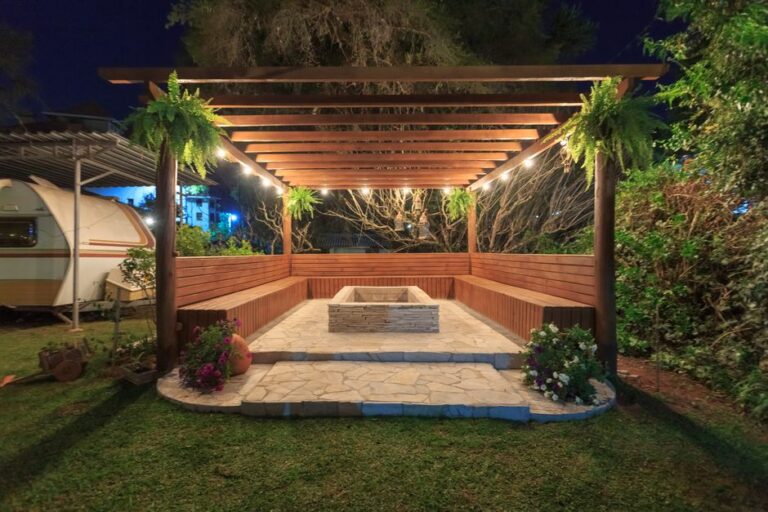
An open-roof pergola provides partial, dappled shade and a striking architectural anchor. Costs run $3,000-$10,000 for wood or vinyl. Louvered aluminum pergolas with adjustable roof slats – effectively a permanent retractable roof – range $6,000-$20,000+ but offer rain protection and remote control.
Fixed Awnings
A permanently mounted metal or fabric awning ($1,500-$5,000) withstands weather better than a retractable model but sacrifices flexibility and can darken interior rooms year-round.
Shade Sails and Canopies
The budget champion: tensioned shade sails cost $150-$1,500 and install quickly, offering modern looks and solid UV protection, though they lack rain resistance and precise adjustability.
Gazebos and Cabanas
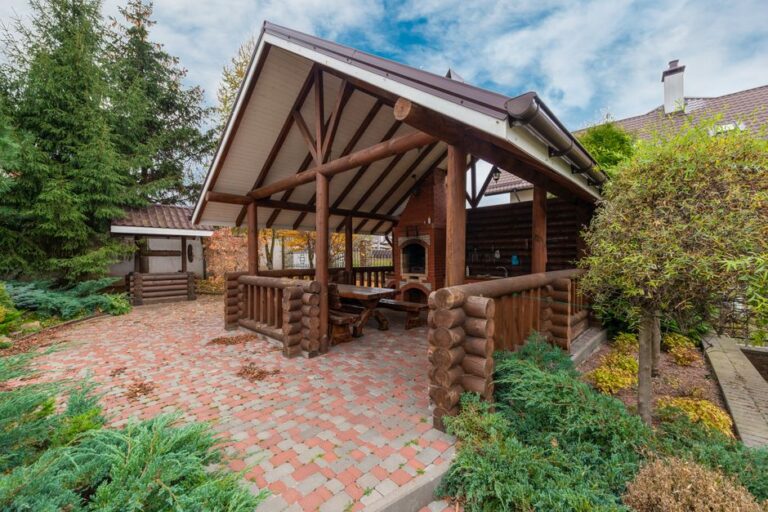
Freestanding roofed structures ($1,500-$12,000) create a defined outdoor room with full overhead cover, ideal when you want a destination rather than an extension of the house.
Retractable vs. Fixed: Which Should You Choose?
- Choose retractable if you value sunlight flexibility, want to preserve views, and live where sun (not constant rain) is the main issue.
- Choose a pergola or louvered roof if you want a permanent design feature and year-round usability, including some rain protection with adjustable louvers.
- Choose a shade sail if budget is tight and you mainly need UV relief over a defined area.
- Choose a gazebo or fixed awning if you want reliable, low-thought cover in all conditions.
Fabric and Material Considerations
For any fabric shade, solution-dyed acrylic (such as marine-grade canvas) resists fading and mildew far better than cheaper polyester and is worth the premium in sunny climates. For frames, powder-coated aluminum resists corrosion and rust, making it the smart choice in coastal and humid regions. Ask about UV ratings, water-resistance treatment, and warranty length – quality fabric warranties often run 5-10 years.
Installation and Maintenance Tips
Retractable awnings must anchor into solid structural material – masonry, wall studs, or a reinforced fascia – never just siding. For wide or motorized units, professional installation is strongly recommended and often required to keep the warranty valid. Once installed, rinse fabric periodically, keep the mechanism free of debris, and always retract before storms. For motorized systems, adding a wind sensor is inexpensive insurance against the most common cause of failure.
The Bottom Line
Retractable awnings deliver unmatched flexibility and real energy savings, making them ideal for homeowners who want shade on demand without permanently altering their home’s look or light. Expect to spend $3,500-$5,500 for a quality motorized installation in 2026. If you need all-weather durability or a lasting architectural statement, a louvered pergola or gazebo may be the better long-term value. Match the structure to your climate and how you actually use your yard, invest in quality fabric and framing, and your shade solution will pay dividends in comfort for years.