Composite vs Wood Decking: Cost, Durability, and Maintenance Compared
Composite wood decking is an important consideration for homeowners, and this guide covers it in detail. Choosing between composite and wood decking is one of the most consequential decisions in any deck project. It affects your upfront cost, your weekend maintenance routine for decades, and how the deck looks and performs over its lifetime. Both materials have loyal followers and genuine strengths. This detailed 2026 comparison breaks down cost, durability, maintenance, appearance, and value so you can decide which decking is right for your home, climate, and budget.
Table of Contents
Composite vs Wood: The Basics
Wood decking includes pressure-treated pine, cedar, redwood, and tropical hardwoods like Ipe. It is the traditional choice, prized for its natural beauty and lower upfront cost. Composite decking is engineered from a blend of wood fibers and recycled plastic, often “capped” with a protective polymer shell. Brands like Trex, TimberTech, and Fiberon dominate the category, marketed on their low maintenance and long lifespan. The core trade-off is simple: wood costs less now but demands ongoing care, while composite costs more upfront but asks little of you afterward.
Upfront Cost Comparison
Wood generally wins the initial-cost battle, though premium hardwoods flip that. Here are typical 2026 material prices per square foot:
- Pressure-treated pine: $3–$7
- Cedar: $7–$12
- Redwood: $8–$15
- Tropical hardwood (Ipe): $15–$30
- Entry composite: $9–$13
- Premium capped composite/PVC: $13–$22
For a 300-square-foot deck, pressure-treated lumber might cost $1,000–$2,000 in decking material, while premium composite could run $4,000–$6,600. Installation labor is similar for both, though composite’s uniform boards and hidden-fastener systems can slightly speed the work.
The Long-Term Cost Picture
Upfront price only tells half the story. Over a deck’s life, maintenance costs reshape the comparison dramatically. Wood requires cleaning and resealing or staining every 2–3 years, at $500–$1,500 per treatment depending on size and whether you DIY. Across 20–25 years, that can add $4,000–$10,000 in materials, labor, and time.
Composite decking eliminates staining and sealing entirely, requiring only periodic soap-and-water cleaning. When you total upfront plus maintenance over 25 years, composite often costs the same or less than wood, despite its higher initial price. For many homeowners, the biggest saving is the reclaimed weekends.
Durability and Lifespan
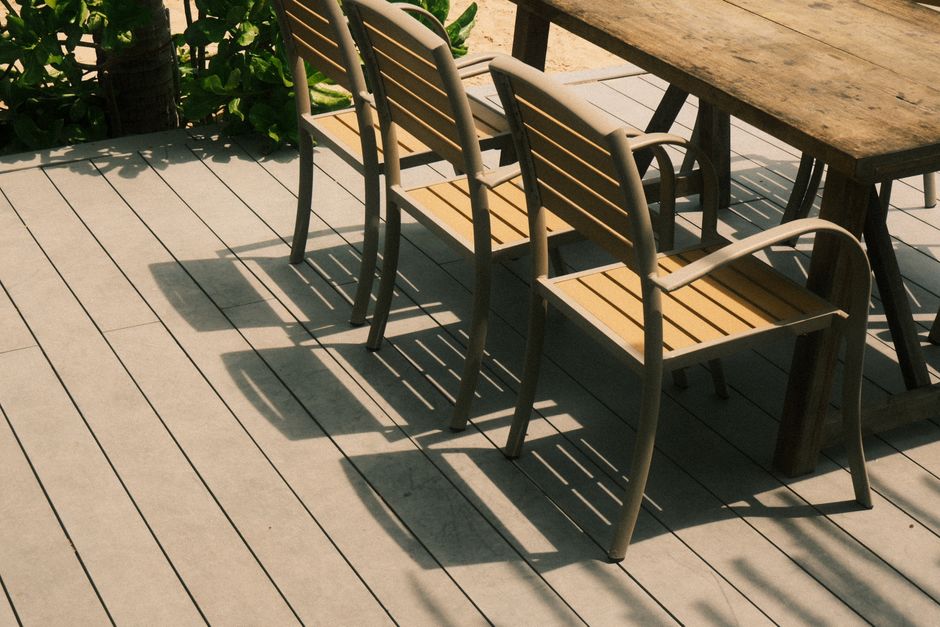
Composite decking is engineered to resist the problems that plague wood: rot, splintering, warping, and insect damage. Capped composite boards resist fading, staining, and moisture, and most carry warranties of 25–50 years. Quality composite decks routinely last 25–30 years or more, and because the boards do not soften or splinter, they stay barefoot-friendly and safe for children and pets throughout that lifespan.
Wood durability varies widely by species. Pressure-treated pine lasts 15–25 years with diligent maintenance; cedar and redwood offer natural rot resistance but soften over time; tropical hardwoods like Ipe can last 40+ years but are heavy and hard to work with. In wet climates, the UK, coastal Canada and Australia, the US Pacific Northwest, wood decays faster, widening composite’s durability advantage.
Maintenance Requirements Compared
This is where composite decisively wins. A composite deck’s entire maintenance routine is an occasional wash with soap and water, plus prompt cleanup of spills. That’s it.
Wood’s maintenance calendar is far more demanding:
- Annual cleaning to remove dirt, mold, and mildew
- Sealing or staining every 2–3 years
- Periodic sanding of splinters and rough spots
- Replacing individual rotted or cracked boards
- Tightening or replacing corroded fasteners
If you enjoy the ritual of maintaining a natural material, wood can be rewarding. If you would rather spend weekends using your deck than caring for it, composite is the obvious choice.
Appearance and Feel
Wood’s natural grain, warmth, and scent are hard to replicate, and for purists nothing matches the look of freshly stained cedar or rich Ipe. Wood also weathers to a silvery patina if left unsealed, which some homeowners love. Composite has closed much of the aesthetic gap; modern capped boards feature realistic grain patterns, multi-tonal streaking, and a wide palette of colors that stay consistent for years. However, some composites can feel hotter underfoot in direct sun and may look slightly more uniform, less “alive”, than real timber up close.
Environmental Considerations
Both materials have green credentials and drawbacks. Composite decking is typically made from recycled wood fibers and plastic, diverting waste from landfills, and its long lifespan reduces replacement frequency. However, it is not biodegradable and is difficult to recycle at end of life. Wood is renewable and biodegradable, but frequent chemical sealing has an environmental footprint, and non-certified tropical hardwoods can drive deforestation. For sustainability, look for FSC-certified wood or high-recycled-content composite.
Which Should You Choose?
Match the material to your priorities:
- Choose wood if you want the lowest upfront cost, love natural materials, enjoy (or don’t mind) regular maintenance, or want authentic grain and warmth.
- Choose composite if you want minimal maintenance, plan to stay in the home long-term, live in a wet or humid climate, or value consistent appearance and a long warranty.
Also weigh resale: composite’s low upkeep is a strong selling point, while a beautifully maintained hardwood deck impresses buyers who appreciate natural materials. Both add value when built well.
Conclusion
The composite-versus-wood debate has no universal winner, only the right answer for your situation. Wood delivers unbeatable natural beauty and the lowest entry price but commits you to ongoing maintenance and a shorter lifespan. Composite costs more upfront yet often matches or beats wood over 25 years thanks to near-zero maintenance and superior durability. Decide how much time and money you want to invest after installation, factor in your climate, and choose the material that lets you enjoy your deck the way you actually want to.