Backyard Landscape Design: A Step-by-Step Planning Guide for Beginners
Backyard landscape design is an important consideration for homeowners, and this guide covers it in detail. A well-designed backyard becomes an extension of your home — a place to relax, entertain, garden, and make memories. But staring at a blank or overgrown yard can feel overwhelming, and many homeowners freeze before they even begin. The secret is to approach the project as a series of manageable steps rather than one giant undertaking. This beginner-friendly guide walks you through the entire planning process, from assessing your space to putting shovel to soil, so you can design a backyard you will love for years.
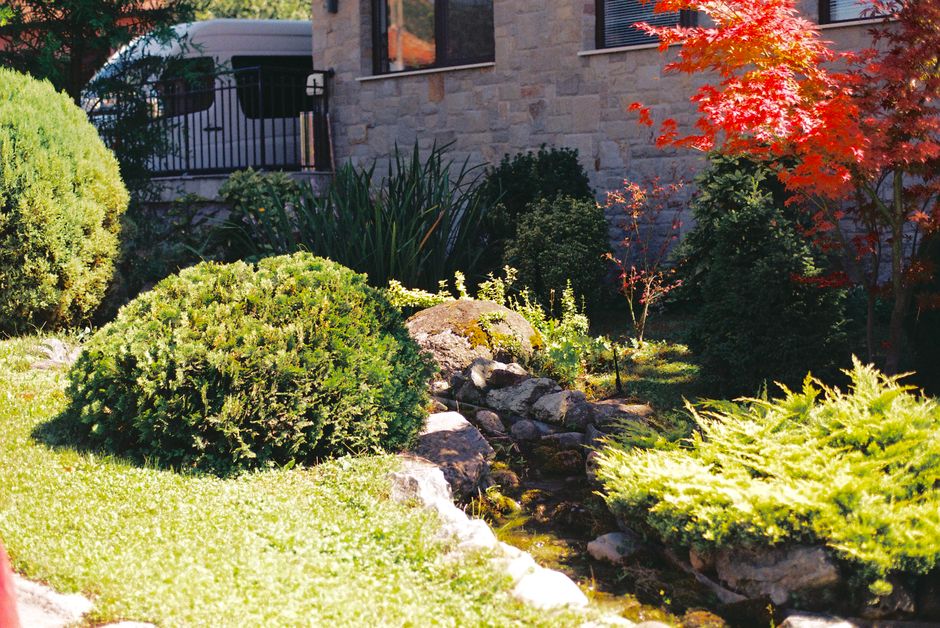
Table of Contents
Step 1: Assess Your Space and Existing Conditions
Before you dream up features, understand what you are working with. Walk your yard and take note of its size, shape, and slope. Observe how sunlight moves across the space throughout the day, since this determines where plants will thrive and where a patio will feel comfortable. Identify existing elements worth keeping — mature trees, established beds, or good views — and problem areas like poor drainage, deep shade, or an unsightly fence.
Grab a tape measure and sketch a rough map of your yard with accurate dimensions. This simple base plan becomes the foundation for every decision that follows.
Step 2: Define How You Want to Use the Space
Great design starts with function. Ask yourself and your household how you actually want to use the backyard. Common goals include:
- An outdoor dining and entertaining area
- A lawn or play space for children and pets
- Vegetable or flower gardens
- A quiet retreat for relaxation
- A fire pit or lounge zone for evenings
- Storage for tools, bikes, or firewood
List your priorities in order of importance. Few yards can accommodate everything, so ranking your wishes helps you allocate space and budget where they matter most.
Step 3: Set a Realistic Budget
Knowing your budget early keeps your plans grounded. Backyard projects range enormously — a simple planting refresh might cost $2,000 to $5,000, while a full transformation with a patio, lighting, and mature plantings can reach $15,000 to $40,000 or more in 2026. Decide how much you can comfortably spend, and remember that phasing the project over one or two seasons lets you achieve a big vision without a single large outlay. Always set aside a contingency of 10 to 15 percent for surprises like drainage fixes or soil amendment.
Step 4: Divide the Yard into Zones
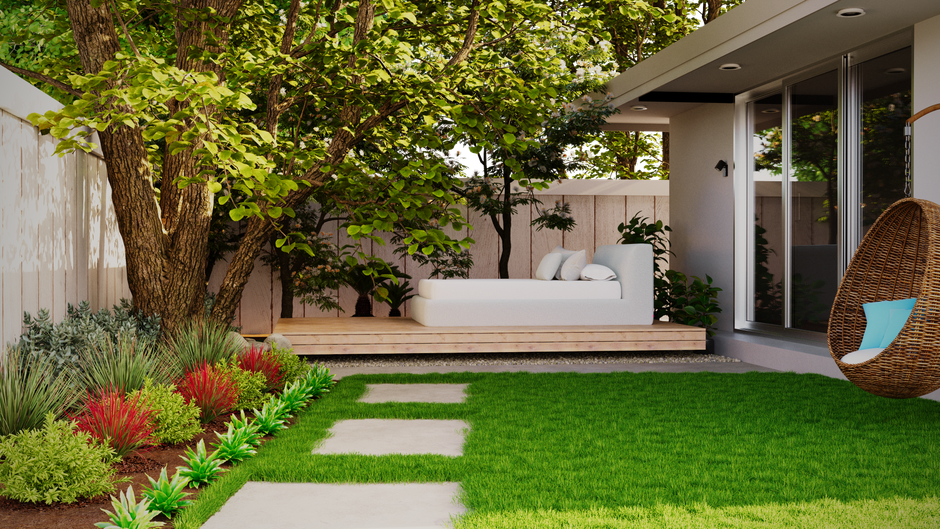
Professional designers think in terms of “rooms” or zones, and you can too. Using your base map, sketch bubbles for each function you identified — a dining zone near the house for easy access to the kitchen, a play area in view from the patio, a garden in the sunniest spot, and a secluded corner for relaxation. Connect these zones with pathways so the yard flows naturally. Zoning ensures each activity has its place and prevents the space from feeling cluttered or chaotic.
Step 5: Choose Your Hardscape Elements
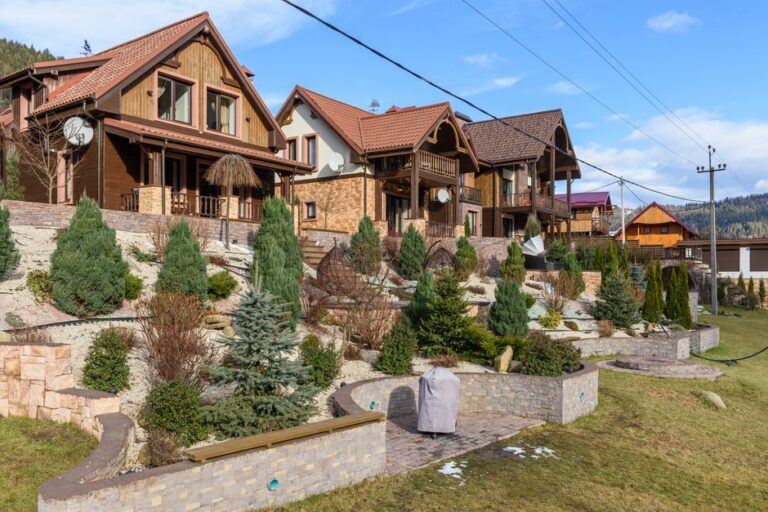
Hardscaping — the non-living structures — forms the backbone of your design and often the largest share of the budget. Decide early on features like patios, decks, walkways, retaining walls, and fire pits, because they dictate the layout of everything else. Choose materials that complement your home’s architecture and suit your climate. Popular options include pavers, natural stone, poured concrete, gravel, and wood or composite decking. Invest in quality here, since well-built hardscape lasts decades and rarely needs replacing.
Step 6: Plan Your Planting Scheme
Plants bring your backyard to life, providing color, texture, privacy, and shade. Design your planting in layers: canopy trees for shade and structure, shrubs for form and screening, and perennials and ground covers for color and coverage. Prioritize native and climate-adapted species, which require less water and maintenance while supporting local pollinators. Group plants with similar sun and water needs together, and think about year-round interest by mixing evergreens with seasonal bloomers so your yard never looks bare.
Step 7: Consider Lighting, Water, and Utilities
The details that make a backyard truly functional are easy to overlook. Plan for outdoor lighting to extend usability into the evening and highlight key features — low-voltage path lights, uplights on trees, and string lights over a patio all add ambiance. Consider whether you need water access for irrigation or a water feature, and locate outdoor electrical outlets for tools and entertainment. Address drainage now, before planting or paving, so you never fight standing water later. If your plans include major structures, check whether local permits are required.
Step 8: Create a Master Plan and Timeline
Now bring everything together into a master plan. On your base map, draw in all the zones, hardscape, plantings, and utilities to scale. This visual blueprint helps you see how the pieces fit and reveals conflicts before you spend money. Break the work into logical phases — typically grading and drainage first, then hardscape, then irrigation and planting, and finally lighting and finishing touches. Assign a rough timeline and budget to each phase so the project stays organized and manageable.
Step 9: Decide What to DIY and What to Hire Out
Be honest about your skills, tools, and available time. Tasks like planting beds, spreading mulch, and installing simple edging are well within reach for most homeowners and save significant labor cost. More complex work — building retaining walls, laying large patios, grading for drainage, or wiring lighting — is often best left to professionals to ensure safety and durability. A hybrid approach, where you handle the finishing touches and hire out the heavy structural work, frequently offers the best balance of cost and quality.
Conclusion
Designing a backyard from scratch is entirely achievable when you break it into clear steps. Start by understanding your space and how you want to use it, set a realistic budget, and organize the yard into functional zones. Build from the ground up — hardscape first, then plantings, then the finishing details of lighting and utilities — and capture it all in a master plan you can execute in phases. Take your time, adjust as you learn, and do not be afraid to start small. With thoughtful planning, your backyard will evolve into a beautiful, functional outdoor space that fits your life and grows more rewarding every season.