Commercial Landscaping Services: What They Cost and How to Budget
Whether you manage an office park, a retail plaza, an apartment complex, or a corporate campus, the landscape is the first thing visitors and customers see. Professional commercial landscaping protects your property value, keeps grounds safe and compliant, and projects a polished brand image. But costs vary enormously depending on scope, region, and service level. This guide breaks down what commercial landscaping actually costs in 2026 and how to build a budget that fits your property.
Table of Contents
What Commercial Landscaping Includes
Commercial landscaping is far broader than mowing a strip of grass. A full-service contract typically bundles several categories of work:
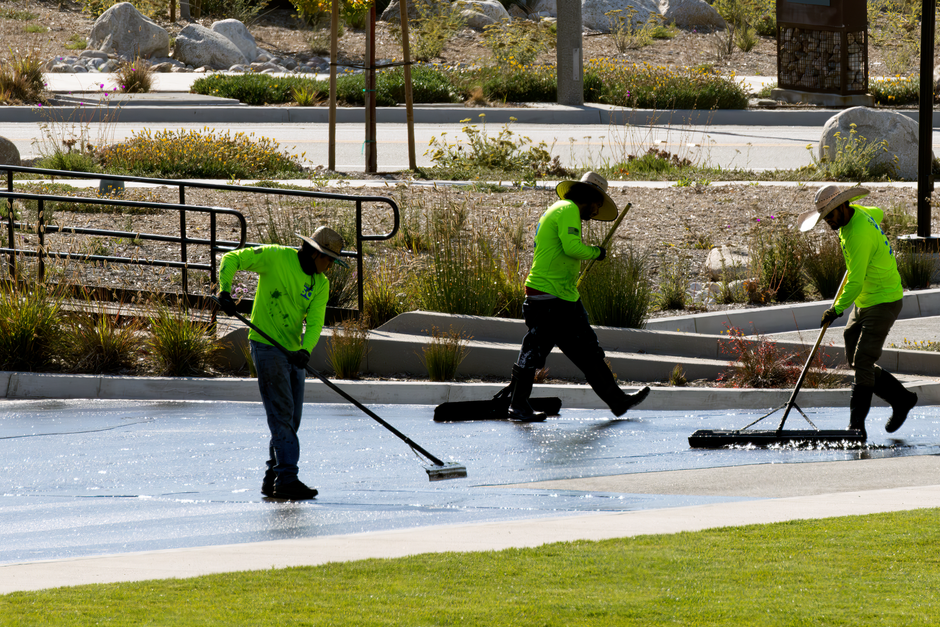
- Routine maintenance: Mowing, edging, trimming, blowing, and litter removal.
- Horticultural care: Fertilization, aeration, pest and weed control, and seasonal color rotations.
- Tree and shrub management: Pruning, health assessments, and removals.
- Irrigation: System monitoring, repairs, and seasonal startup and winterization.
- Seasonal services: Leaf cleanup, mulching, and snow and ice management in colder climates.
- Design and installation: New plantings, hardscapes, lighting, and drainage projects.
Typical 2026 Cost Ranges
Most commercial providers price work by property size, visit frequency, and complexity. As a general benchmark for 2026 in the US:
- Basic maintenance contracts: $1,500 to $4,500 per month for small to mid-size commercial lots.
- Large campuses or multi-acre properties: $5,000 to $20,000+ per month.
- Hourly crew rates: $50 to $100 per person, per hour for one-off work.
- Landscape design and installation: $5,000 to $75,000+ depending on scale, plant material, and hardscaping.
- Snow and ice management: $200 to $600 per visit, or seasonal contracts priced per event or per season.
Prices in the UK, Canada, and Australia follow similar structures but shift with local labor rates, currency, and climate demands.
Factors That Drive Your Price
Two properties of identical size can carry very different price tags. Larger acreage means more labor and equipment time, while slopes, tight islands, and obstacles slow crews down. Weekly visits during peak growing season cost more than biweekly. Ornamental beds and seasonal flower rotations require skilled labor and premium materials compared with plain turf. Northern properties add snow removal, while southern and Australian sites may need intensive irrigation management and heat-tolerant plantings.
Contract Types: What Are You Signing?
Understanding the pricing model prevents surprises.
- Fixed-fee annual contracts: A single price divided into equal monthly payments, smoothing your cash flow across the year.
- Per-visit pricing: You pay for each service call, ideal for properties with unpredictable needs.
- Time and materials: Billed by labor hours plus materials, common for one-off installations.
- Tiered service packages: Bronze, silver, and gold levels that bundle escalating scopes.
How to Build Your Landscaping Budget
A defensible budget starts with clear goals. Follow these steps:
- Define the standard you need: Manicured showpiece or functional and tidy? Your answer sets the spending tier.
- Inventory your property: Measure turf, beds, tree count, and hardscape square footage.
- Separate operating from capital costs: Routine maintenance is an ongoing expense; a new irrigation system or entryway redesign is a capital project.
- Reserve a contingency: Set aside 10 to 15 percent for storm damage, plant replacement, and emergencies.
- Plan multi-year: Phase large improvements over two or three budget cycles to control cash flow.
Getting and Comparing Bids
Always solicit at least three detailed proposals. To compare apples to apples, provide each bidder with the same written scope of work. A trustworthy bid itemizes services, frequency, materials, and exclusions rather than offering a single vague number. Watch for lowball quotes that omit key tasks; you will pay for them later as change orders. Verify insurance, licensing, and references. A contractor working on your commercial property should carry liability and workers’ compensation coverage, protecting you from claims if someone is injured on site.
Ways to Control Costs Without Cutting Quality
You can trim spending strategically:
- Replace high-maintenance annual flower beds with perennials or native plantings.
- Upgrade to a smart irrigation controller to slash water bills.
- Bundle services with one provider for volume discounts.
- Sign a multi-year contract to lock in rates and avoid annual increases.
- Reduce turf area, which is the most labor-intensive element to maintain.
The Return on Investment
Commercial landscaping is not merely an expense; it is an investment. Attractive, well-kept grounds increase property value, improve tenant retention, boost retail foot traffic, and reduce liability from trip hazards or overgrown sightlines. Studies consistently link quality landscaping to higher lease rates and faster occupancy, meaning a smart landscape budget often pays for itself.
Conclusion
Commercial landscaping costs range from a few thousand dollars a month for modest properties to five figures for sprawling campuses, shaped by size, service frequency, climate, and plant complexity. By defining your standards, inventorying your grounds, gathering detailed bids, and building in a contingency, you can craft a budget that keeps your property beautiful, safe, and valuable. Treat your landscape as the visible front line of your brand, and it will reward you many times over.