
Xeriscaping 101: How to Design a Drought-Tolerant Yard and Cut Water Bills
Water is becoming more precious and more expensive across the US, UK, Canada, and Australia, and traditional lawns are among the biggest culprits behind soaring utility bills. Xeriscaping offers a compelling alternative: a landscaping approach designed to thrive with little or no supplemental irrigation. Far from the barren gravel yards some imagine, a well-designed xeriscape can be lush, colorful, and full of life while slashing your water use by 50 to 75 percent. This guide walks you through the principles and practical steps to create a beautiful, drought-tolerant yard.
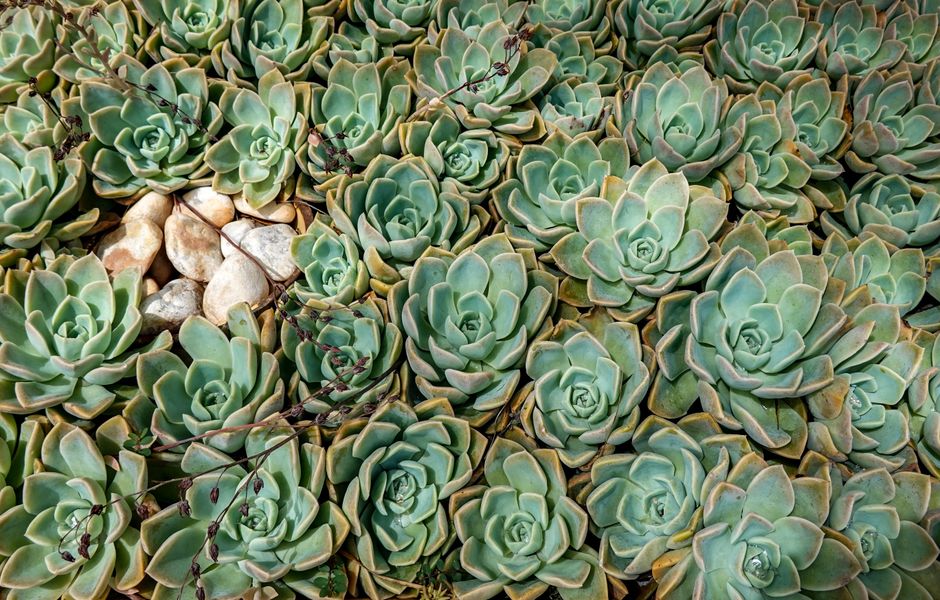
Table of Contents
What Is Xeriscaping?
Xeriscaping comes from the Greek word “xeros,” meaning dry, and refers to landscaping that minimizes the need for irrigation. The concept originated in arid regions but has spread everywhere as homeowners seek to conserve water and reduce maintenance. A xeriscape uses drought-tolerant plants, efficient irrigation, and smart design to create a self-sustaining landscape that looks great with minimal input.
Importantly, xeriscaping is not the same as “zero-scaping” — replacing everything with rock and cactus. A thoughtful xeriscape can include grasses, flowering perennials, shrubs, and even small trees, all chosen to flourish in your local climate.
The Core Principles of Xeriscape Design
Xeriscaping rests on seven widely recognized principles that guide every successful project:
- Planning and design: Map your yard’s sun, shade, and slope before planting
- Soil improvement: Amend soil so it retains moisture and drains well
- Efficient irrigation: Deliver water directly to roots with drip systems
- Appropriate plant selection: Choose species suited to your climate
- Practical turf areas: Limit lawn to spaces you actually use
- Mulching: Cover soil to lock in moisture and block weeds
- Maintenance: Perform light, occasional upkeep to keep plants healthy
Follow these principles and your landscape will practically care for itself once established.
Assessing Your Yard and Climate
Every successful xeriscape begins with observation. Spend time noting where sun and shade fall throughout the day, which areas drain quickly, and where water tends to pool. Identify your regional climate zone and average rainfall, since these determine which plants will thrive. Group your yard into “hydrozones” — areas with similar water needs — so you can water efficiently and avoid overwatering drought-tolerant species.
Improving Your Soil
Healthy soil is the foundation of a water-wise yard. Sandy soils drain too fast, while heavy clay holds water and can drown roots. Working two to three inches of compost into your beds improves structure, boosts moisture retention, and feeds beneficial microbes. In most cases you will not need chemical fertilizers, as native and adapted plants prefer lean, natural soil. Test your soil’s drainage by digging a hole, filling it with water, and observing how quickly it empties.
Choosing Drought-Tolerant Plants
Plant selection is where a xeriscape comes to life. Native species are almost always the best choice because they evolved to survive on local rainfall. Consider these reliable performers, adjusted for your region:
- Perennials: lavender, yarrow, coneflower, Russian sage, sedum
- Grasses: blue fescue, feather reed grass, buffalo grass
- Shrubs: juniper, manzanita, rosemary, potentilla
- Succulents: agave, aloe, hens and chicks
- Trees: desert willow, olive, hawthorn, crape myrtle
Cluster plants with matching water needs together, and place the thirstiest specimens near the house where they are easy to reach and where runoff naturally collects.
Efficient Irrigation Strategies
Even drought-tolerant plants need water while establishing. The most efficient method is drip irrigation, which delivers moisture directly to the root zone and reduces evaporation by up to 60 percent compared with sprinklers. Install a smart controller that adjusts watering based on weather and soil moisture, and water deeply but infrequently to encourage deep, resilient roots. Early morning watering minimizes loss to evaporation and wind.
Rainwater harvesting further reduces reliance on municipal supplies. A single rain barrel connected to a downspout can capture hundreds of gallons during a storm for use during dry spells.
The Power of Mulch and Ground Cover
Mulch is essential in a xeriscape. A three-inch layer of organic mulch such as bark or wood chips keeps soil cool, dramatically reduces evaporation, and smothers weeds that would otherwise compete for water. In hotter, more arid zones, inorganic mulches like gravel or crushed stone offer permanent coverage and a clean aesthetic. Living ground covers such as creeping thyme or ice plant serve the same purpose while adding color and texture.
Reducing or Rethinking Your Lawn
Turf grass is the single largest water consumer in most yards. You do not have to eliminate it entirely, but reducing lawn to functional areas — a small play space or seating zone — can cut water use enormously. Consider drought-tolerant turf alternatives like buffalo grass or a low-growing clover blend, or replace unused turf with planted beds, gravel paths, and hardscape features that need no watering at all.
How Much Money Can You Save?
The financial case for xeriscaping is strong. Outdoor watering can account for 30 to 60 percent of a household’s summer water bill, and converting to a xeriscape often cuts outdoor water use by half or more. Depending on local rates, homeowners frequently save $200 to $600 or more per year, with the savings growing as water prices rise. Many municipalities also offer rebates for turf removal and efficient irrigation, sometimes covering $1 to $3 per square foot converted, which can offset a significant portion of your upfront costs.
Conclusion
Xeriscaping proves that conserving water and enjoying a gorgeous yard are not competing goals. By planning around your climate, improving your soil, choosing adapted plants, irrigating efficiently, and mulching well, you create a resilient landscape that shrugs off drought and shrinks your water bills. Start small if you like — convert one bed or one section of lawn — and expand as you see the results. Within a season or two you will have a thriving, low-water yard that saves money, supports local wildlife, and looks beautiful year after year.