Building a Fire Pit: DIY vs Professional Installation Costs
Building fire pit is an important consideration for homeowners, and this guide covers it in detail. A crackling fire pit is the heart of any great backyard gathering—a place to roast marshmallows, share stories, and stretch cozy evenings deep into fall. But before you light that first fire, you’ll face a key decision: build it yourself or hire a professional? The right choice depends on your budget, skill level, and the look you’re after. This guide breaks down realistic 2026 costs for both routes, plus the materials, permits, and safety details that make the difference between a weekend win and a costly redo.
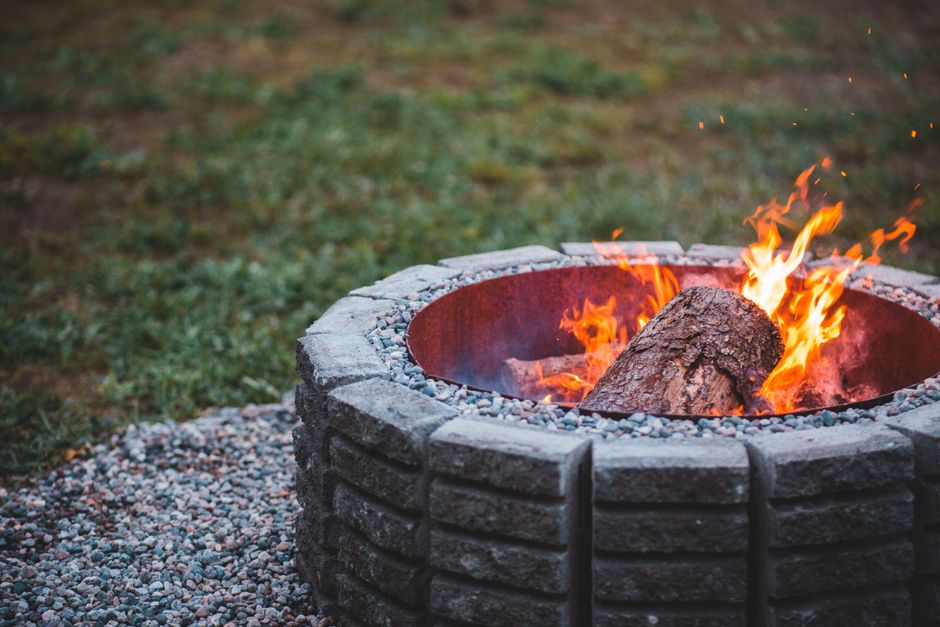
Table of Contents
Fire Pit Cost Overview for 2026
In 2026, a DIY fire pit typically costs $300 to $1,500 in materials, while a professionally installed fire pit runs $1,500 to $8,000+ depending on size, material, and fuel type. Simple portable metal bowls start under $150, while elaborate custom gas fire features with stone surrounds and seating can exceed $12,000. UK homeowners see similar ranges, roughly £250–£1,200 for DIY and £1,300–£6,500 for professional builds. The right choice hinges less on price alone and more on the fuel type you want, how permanent the pit will be, and how comfortable you are with hands-on work.
DIY Fire Pit Costs Broken Down
Building your own fire pit is one of the most satisfying weekend projects, and the savings are substantial. Here’s what a typical DIY wood-burning stone pit costs:
- Retaining wall blocks or pavers: $150–$500 for 30–50 units.
- Fire pit ring/insert: $40–$150 to protect blocks from heat.
- Gravel and paver base: $50–$150.
- Lava rock or fire glass fill: $30–$100.
- Construction adhesive: $20–$40.
- Tools (if needed): $50–$200 for a level, tamper, and rubber mallet.
A basic circular block fire pit can be finished in an afternoon for around $300–$600, making it the clear budget winner. If you want to elevate the look without hiring anyone, spending a little more on natural stone veneer or a decorative paver surround can push the total to $800–$1,200 while still coming in far below professional pricing. The key DIY savings come from doing the labor yourself—materials for a modest pit are genuinely affordable.
Professional Fire Pit Installation Costs
Hiring a pro adds labor, design, and often permitting, but delivers durability and polish. Expect these ranges:
- Basic stone wood-burning pit: $1,500–$3,500 installed.
- Natural gas or propane pit: $3,000–$8,000 including gas line and ignition.
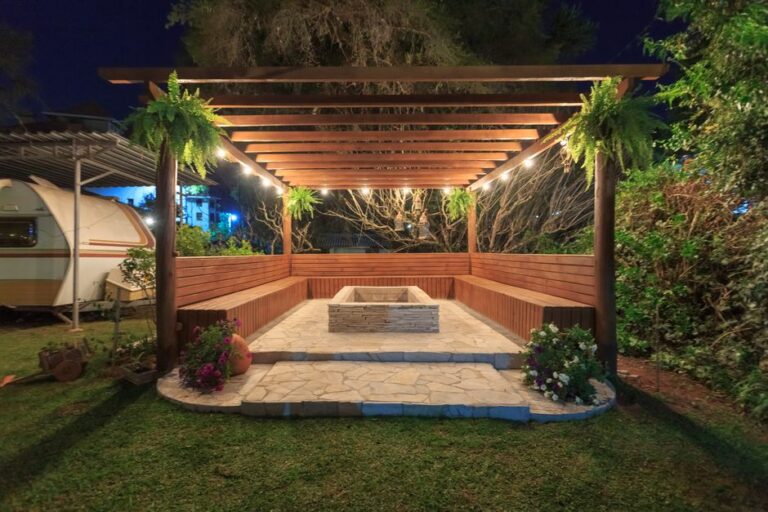
- Custom masonry with seating walls: $6,000–$12,000+.
- Labor alone: $500–$3,000 depending on complexity.
- Gas line installation: $500–$2,500 for trenching and connection.
Professionals also handle inspections and ensure the pit meets local fire codes—valuable peace of mind for gas builds.
Wood-Burning vs. Gas Fire Pits
Wood-Burning
Cheaper to build and beloved for the authentic crackle and aroma. Downsides: smoke, ongoing wood costs ($5–$10 per bundle), ash cleanup, and stricter regulations in some areas. Best for DIYers and rustic aesthetics.
Gas (Natural Gas or Propane)
More expensive upfront but instant-on, smokeless, and low-maintenance. Natural gas requires a plumbed line but offers unlimited runtime; propane uses refillable tanks ($20–$40 each). Gas pits are almost always worth professional installation for safety.
Popular Fire Pit Materials
- Concrete pavers/retaining blocks: Affordable, easy for DIY, widely available.
- Natural stone (granite, limestone): Beautiful and durable but heavier and pricier.
- Brick: Classic look, moderate cost, requires fire-rated brick and mortar.
- Steel or Corten: Modern, sleek bowls and rings; $150–$1,500.
- Cast concrete bowls: Contemporary statement pieces, $400–$2,000.
Permits, Codes, and Safety Rules
Never skip this step. Many municipalities require permits for permanent or gas fire pits, and rules vary widely. Common requirements include:
- Placing the pit at least 10–25 feet from structures, fences, and overhanging trees.
- A non-combustible base and surrounding surface.
- Maximum pit diameter limits (often 3 feet for open fires).
- Restrictions during burn bans or high-wind days.
Gas installations almost always require a permit and inspection. Check with your local fire department or HOA before building.
When to DIY vs. When to Hire a Pro
Choose DIY if: you want a wood-burning pit, have basic tools and a level surface, and enjoy hands-on projects. A block or paver pit is very forgiving for beginners.
Hire a pro if: you want a gas line, custom masonry, integrated seating, or a pit on a sloped or complex site. Gas work in particular should always be done by a licensed installer to avoid dangerous leaks.
Long-Term Costs and Maintenance
Wood-burning pits cost little to maintain—occasional ash removal and a cover to prevent rust or water pooling. Budget $30–$100 a year for firewood if you use it often. Gas pits need periodic burner cleaning and occasional part replacement, but fuel is efficient. A quality cover ($30–$150) protects any pit and extends its life significantly. Reseal natural stone every few years to prevent cracking from freeze-thaw cycles. It’s also smart to keep a fire extinguisher or bucket of sand nearby and to inspect gas connections at the start of each season for leaks using soapy water. A little routine care keeps your pit safe, attractive, and ready for spontaneous gatherings for well over a decade.
Conclusion
Building a fire pit in 2026 can cost as little as $300 for a DIY block build or climb past $8,000 for a custom professional gas feature. If you want authentic flames and enjoy weekend projects, a DIY wood-burning pit offers unbeatable value. If you prefer the convenience and clean burn of gas—or want a designer centerpiece—professional installation is worth every dollar for the safety and craftsmanship. Whichever path you choose, check local codes first, prioritize safe placement, and you’ll be gathering around the fire for years to come.